Medically Reviewed by Jay Laudenbach, DMD on July 28, 2026
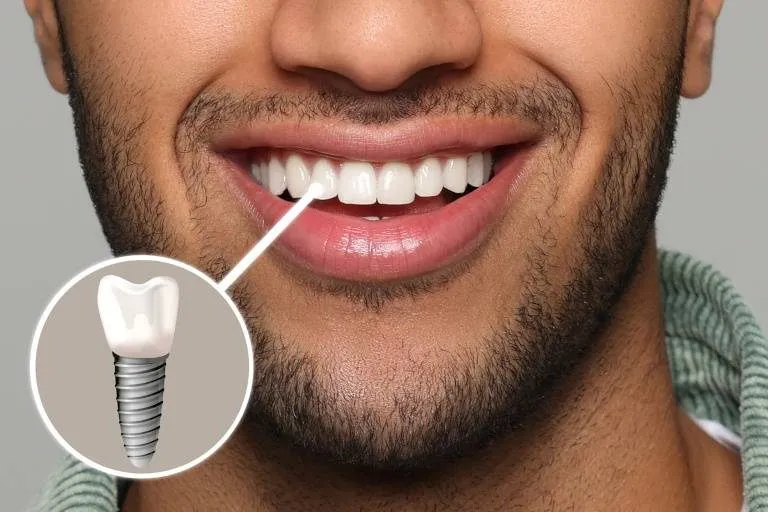
Dental implants are built to last. The titanium implant post is designed to function for decades, often for a lifetime, once it fuses with the jawbone through a process called osseointegration. The visible crown or restoration attached to the top usually needs replacement after about 10 to 15 years due to normal wear, similar to how a crown or filling on a natural tooth eventually wears down. The exact timeline depends on your oral hygiene, your overall health, and how closely you follow your periodontist’s maintenance recommendations.
At Laudenbach Periodontics & Dental Implants, we want every patient to understand exactly what to expect before, during, and after treatment, so we walk you through the full lifespan of your dental implants and give you clear, practical steps for protecting your investment. Led by Dr. Jay Laudenbach, Dr. Ishita Bhavsar, and Dr. Robert Slauch, our team brings decades of combined experience in periodontics and implant dentistry to every patient we see, and we built this guide to answer the questions we hear most often about how long implants last and what helps them last longer.
The Lifespan of Dental Implants: What Research Shows
Once a dental implant is placed, it begins a process called osseointegration, in which the titanium post gradually bonds with the surrounding jawbone. This creates a stable, bone anchored foundation that functions much like a natural tooth root. Because the post fuses directly to bone rather than resting on top of the gum, it does not decay the way a natural tooth can, and with consistent care, it is designed to remain functional for decades.
A 2025 analysis of nearly 159,000 dental implants, published in the peer reviewed Journal of Functional Biomaterials and indexed on the National Library of Medicine’s PubMed Central, found an overall implant survival rate of about 97.8 percent, with most of the failures that did occur happening during the first year after placement. Results like these reflect why periodontists consider the implant post the most durable part of the restoration.
The visible portion of your implant, the crown or restoration attached to the post, typically lasts about 10 to 15 years before it needs replacement due to ordinary wear and tear, much like a crown on a natural tooth. Replacing the crown is a straightforward, non-surgical process that does not disturb the implant post underneath, which is one of the reasons implants remain such a predictable long-term investment.
Understanding the Parts of a Dental Implant
A dental implant is not a single piece. It is actually three components working together, and each one has a different lifespan. The implant post is the titanium screw placed directly into the jawbone, and it is the part responsible for long-term stability. The abutment is a small connector piece that attaches to the top of the post and rarely needs attention once it is in place. The crown, bridge, or denture is the visible restoration attached to the abutment, and it is the component most exposed to daily biting and chewing forces.
Understanding this structure helps explain why a dental implant can outlast most other tooth replacement options. Even if the crown eventually shows wear, the post and abutment underneath typically remain unaffected, so restoring your smile again does not mean starting the entire treatment over. This is very different from a bridge or a removable denture, both of which need more frequent, more involved replacement as a complete unit.
Knowing which part of your implant is being addressed also makes conversations with your periodontist easier. If you notice a change in how your restoration feels or fits, it helps to think about whether the concern seems related to the visible crown, the connector underneath it, or the foundation anchored in the bone, since each of those scenarios calls for a different, usually straightforward, solution.
Factors That Influence How Long Your Implant Lasts
Several factors affect whether a dental implant reaches its full potential lifespan. Oral hygiene is one of the most significant. Plaque buildup around an implant can lead to a gum infection called peri-implantitis, which, if left untreated, can compromise the bone supporting the implant. Overall health plays a role too, since conditions such as diabetes can affect healing and bone integration, which is why we review your medical history closely before recommending treatment.
Jawbone density matters as well. An implant needs enough healthy bone to fuse to, and patients with lower bone volume may benefit from a bone grafting procedure before placement to support long-term success. Where the implant sits in the mouth is another consideration, since implants replacing back molars absorb more chewing force than those replacing front teeth and may show wear sooner as a result.
Lifestyle habits carry real weight too. Smoking is one of the most well documented risks to implant longevity because it restricts blood flow to the gums and can interfere with healing and osseointegration. If you currently smoke, our guide on how smoking affects dental implant and gum health walks through what to expect and how quitting supports a longer-lasting result. The skill and precision of the periodontist placing your implant, along with the quality of the materials used, remain some of the strongest predictors of a successful, long-lasting outcome, and our guide to factors that improve your chances of long-term implant success covers this in more detail.
How to Make Your Implants Last Longer
Once your implant is in place, a few consistent habits make the biggest difference in how long it lasts. The following steps are the same ones we walk every patient through during follow-up visits:
- Gentle, consistent home care: Brushing twice a day and flossing daily keeps your implant and the surrounding gum tissue healthy.
- Regular periodontal visits: Routine professional cleanings and periodontal maintenance let us catch small issues before they affect the implant.
- Protecting against grinding: If you grind your teeth at night, a custom nightguard helps protect both your natural teeth and your implant.
- Healthy lifestyle choices: Avoiding tobacco and supporting your overall health helps your body maintain a strong bond between the implant and the bone.
With these habits in place, most patients find that maintaining an implant becomes a simple part of their regular dental routine rather than an ongoing concern. Understanding what to expect during recovery after your placement procedure also helps you settle into these habits from the very beginning.
Can a Dental Implant Fail? Warning Signs to Watch For
While dental implants have a high overall survival rate, no dental treatment is entirely without risk, and it helps to know what warning signs deserve attention. General signs that an implant may need evaluation include persistent discomfort or swelling around the implant site, a feeling of looseness when biting or chewing, or gum recession that exposes more of the implant than usual. Peri-implantitis, the gum infection mentioned earlier, is the most common cause of later implant problems, and it is usually treatable when it is caught early.
If you notice any of these changes, the most important step is scheduling an evaluation promptly rather than waiting to see if the issue resolves on its own. Most concerns are far easier to manage in the early stages, and our team can determine whether the issue involves the gum tissue, the bone, or the restoration itself before recommending next steps.
It is worth remembering that the vast majority of patients never experience these problems at all. The steps described earlier, consistent hygiene, regular periodontal visits, and avoiding tobacco, address nearly every risk factor tied to later implant complications, which is why ongoing maintenance matters just as much as the initial placement.
The Laudenbach Difference: Premium Materials and Expert Care
Just as a house depends on a solid foundation, a long-lasting implant depends on the quality of the materials and the skill behind the placement. That is why we exclusively use implants manufactured by Straumann, one of the most established names in dental implant technology, backed by decades of clinical research and development.
As diplomates of the American Board of Periodontology, our team brings specialized surgical training to every implant placement, and we believe that choosing a surgically trained periodontist is one of the most important decisions a patient can make. Before placing any implant, we complete a thorough periodontal evaluation to confirm the surrounding gum tissue and bone are healthy, since the condition of your remaining teeth and bite directly affects how well your implant holds up over time. If you want a deeper look at daily care once your implant is placed, our lifetime maintenance guide for dental implants covers the specifics step by step.
At Laudenbach Periodontics & Dental Implants, every implant we place is backed by advanced training in periodontics and implant surgery, premium Straumann components, and a treatment planning process built around your long-term oral health rather than just the procedure itself. Our approach focuses on giving you the information and follow-up care you need to help your implant perform at its best for years to come.
If you are ready to explore whether dental implants are right for you, our $199 consultation offer includes the X-rays, full periodontal charting, and photos needed to evaluate your oral health at no additional charge. Missing teeth do not have to mean a lifetime of compromise, and a personalized evaluation is the clearest way to understand your options. Request an appointment with our Philadelphia team to get started.
Frequently Asked Questions About Dental Implant Lifespan
What is the average lifespan of a dental implant?
The titanium implant post is designed to last for decades and, for many patients, for a lifetime, since it fuses directly with the jawbone through osseointegration. A 2025 review of nearly 159,000 implants found an overall survival rate of about 97.8 percent. The crown attached to the post typically lasts 10 to 15 years before it needs replacement due to normal wear, similar to a restoration on a natural tooth.
What is the difference in how long the implant post and the crown last?
The implant post, the titanium piece placed in the jawbone, is built to last for decades because it fuses with living bone and does not wear down the way a tooth does. The crown, which is the visible portion you bite and chew with, experiences daily wear and typically needs replacement after about 10 to 15 years. Replacing the crown does not require removing or replacing the implant post underneath.
Can a dental implant fail years after it was placed?
Yes, though it is uncommon once an implant has successfully integrated with the jawbone. Most implant failures happen in the first year after placement, but issues such as untreated gum infection, poor oral hygiene, or significant bone loss can affect an implant later on. Persistent discomfort, looseness, or gum swelling around an older implant are reasons to schedule an evaluation.
Does smoking shorten the lifespan of a dental implant?
Smoking is one of the most significant risk factors for implant longevity. It restricts blood flow to the gums, which can interfere with healing and with osseointegration, the process that bonds the implant to the jawbone. Smokers also face a higher risk of peri-implantitis, a gum infection that can damage the bone supporting the implant. Quitting smoking, or avoiding it during healing, meaningfully improves long-term outcomes.
How often should I see my periodontist once my implant is in place?
Most patients benefit from a periodontal maintenance visit every three to six months, similar to a routine dental cleaning, though your periodontist may recommend a different schedule based on your oral health. These visits allow your care team to check the health of the gum tissue and bone around your implant and catch minor issues before they become larger problems.
About the Author
Founder, Implant Dentist and Periodontist
Dr. Laudenbach is a Diplomate of the American Board of Periodontology and founder of Laudenbach Periodontics & Dental Implants in Philadelphia, where he focuses on periodontal therapy and dental implant treatment.