Implant overdentures are removable dentures that snap onto a small number of dental implants, giving you a stable bite instead of one that shifts throughout the day. If you have been living with a denture that slips while eating or talking, that instability can chip away at confidence and lead you to avoid foods and conversations you used to enjoy.
At Laudenbach Periodontics & Dental Implants, we often hear these concerns, and we want you to know there is a solution designed for comfort and stability. Implant overdentures combine the security of dental implants with the familiar feel of a removable denture, giving you a foundation you can trust every time you smile, chew, or speak.
What Is an Implant Overdenture?
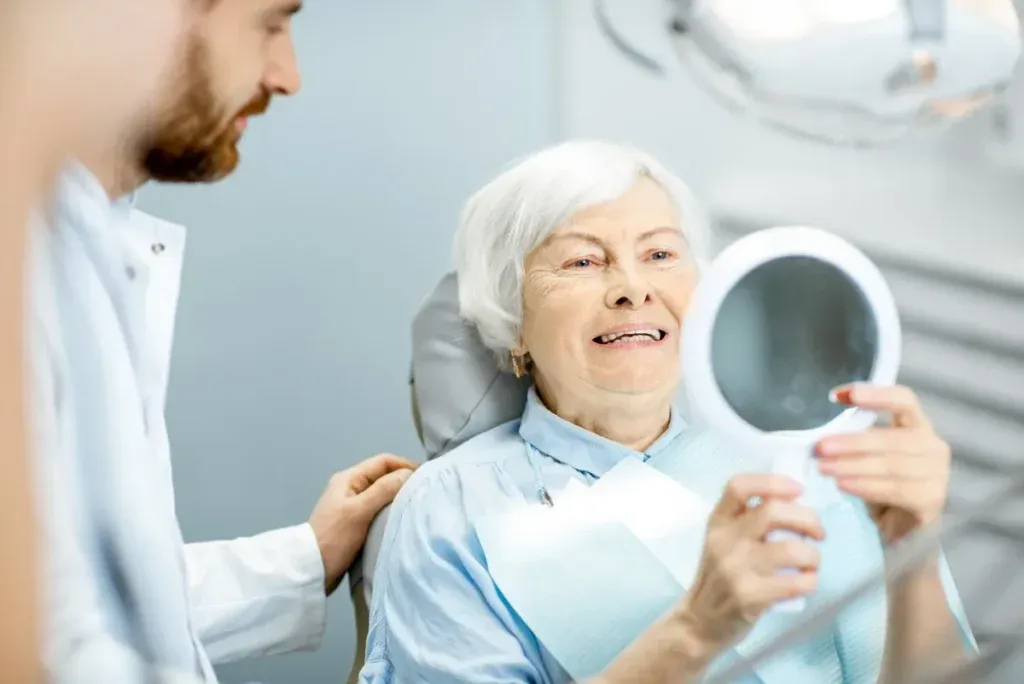
An implant overdenture is a removable denture that snaps onto a small number of strategically placed implants rather than resting loosely on your gums. This keeps the denture anchored throughout the day, so you can eat, laugh, and talk without worrying about slippage.
Traditional dentures rely on suction and adhesive to stay in place, and over time, the jawbone beneath them can shrink from lack of stimulation. Implants placed beneath an overdenture help preserve that bone by mimicking natural roots, offering long-term support traditional dentures cannot match.
How Overdentures Compare to Fixed Implant Solutions
We also provide all-on-x full-arch solutions for patients who prefer a fixed set of teeth that does not come out. Implant overdentures are removable, making them easier to clean and typically more affordable, while all-on-x restorations are fixed in place for those seeking a permanent, non-removable option. Our team takes the time to walk you through both paths during your consultation so you can choose the option that fits your lifestyle, budget, and oral health goals.
Who May Benefit From an Implant Overdenture?
Implant-supported overdentures may be worth considering if traditional dentures feel loose or you want a removable option with greater stability. They can also help when bone loss makes a fixed restoration more complicated. Gum health plays a role too, so we look for concerns such as gum recession during your consultation before deciding whether implants are appropriate. For patients transitioning from traditional dentures, the added stability can make everyday activities like eating and speaking feel more natural.
Who Helps Guide This Decision
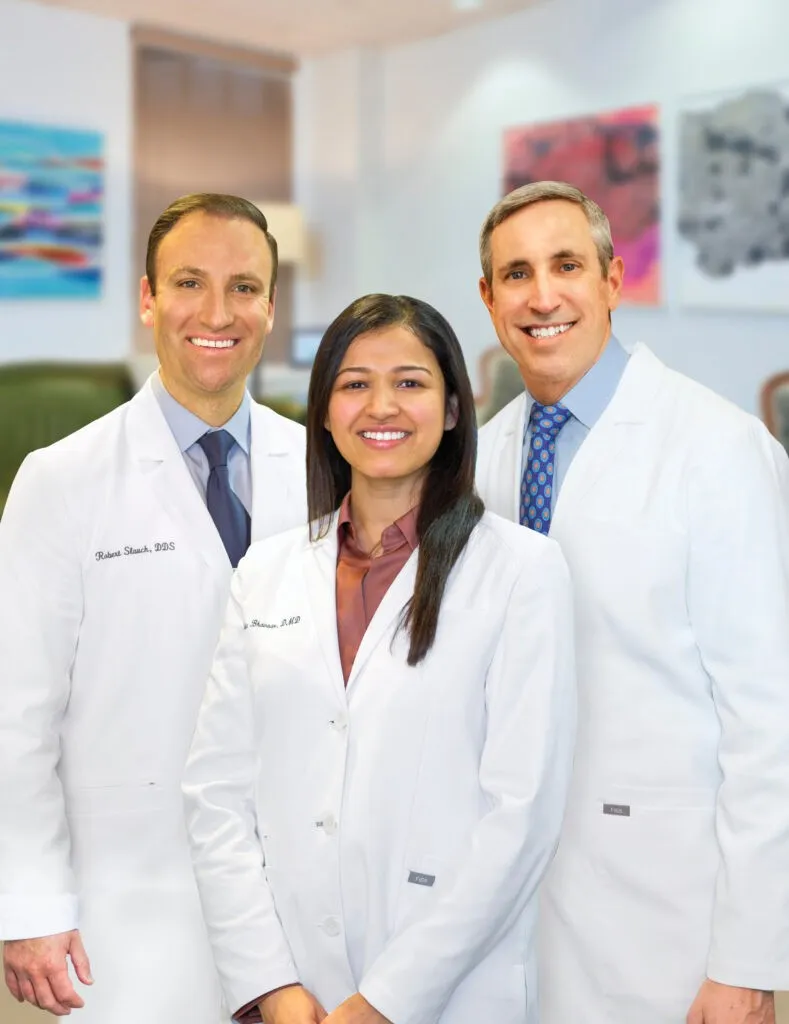
Dr. Robert Slauch works closely with our team on implant-supported overdentures and full-arch restorations. As a board-certified prosthodontist, his training focuses on restoring missing teeth and rebuilding function, helping us determine how implants can best support your new denture. Choosing an overdenture means weighing both your oral health and your treatment goals. During your evaluation, we consider factors such as:
- The amount of jawbone available to support implants
- Your experience with a current full or partial denture
- Habits that may affect treatment or long-term maintenance
- Your preference for a removable overdenture or a fixed restoration
Once we have that information, we can determine how an implant overdenture may fit into your treatment plan and what would be involved in moving forward.
What Does the Process Involve?
Treatment starts with an evaluation of your mouth and jawbone to determine where implants can be placed and which type of overdenture may work for you. Imaging helps us assess the available bone and plan placement before treatment begins. Our practice uses Straumann implants, and we will explain how the implant-and-attachment system fits your specific treatment plan.
The implants need time to stabilize in the jawbone before they can support the final overdenture, so a healing period follows placement. How long that takes depends on your case. Long-term results have been encouraging, with research on mini-implant-retained overdentures reporting a cumulative implant survival rate above 91% after seven years.
Caring for Your Implant Overdenture
An implant overdenture is removable, so it should be removed regularly for cleaning, following the instructions your dental team provides. The areas around the implant attachments also need attention, because plaque and bacteria can collect there just as they can around natural teeth. Without proper maintenance, inflammation around an implant can progress to peri-implantitis.
Regular follow-up visits let us check the implants, attachments, and fit of the overdenture over time. We can make adjustments as needed and help you maintain a cleaning routine that protects the tissues supporting your implants.
Talk to Laudenbach Periodontics & Dental Implants About Your Options
An implant overdenture is one of several ways to replace missing teeth, and the right choice depends on your oral health and what you want from your restoration. If your current denture feels less stable than it used to, or you are just beginning to explore options for replacing missing teeth, a consultation can help you understand how an overdenture compares with the alternatives.
During your visit, our team can review your imaging and explain what your treatment could involve based on the condition of your jaw and gums. If you would like to find out if an implant overdenture makes sense for you, reach out through our contact form to schedule a consultation with Laudenbach Periodontics & Dental Implants.