A dental implant that feels solid one year can feel different the next, and most patients have no idea what to watch for in between. Bleeding gums around an implant, a slight wobble when biting down, or a dull ache that was not there before can be easy to brush off as normal healing or something that will pass on its own.
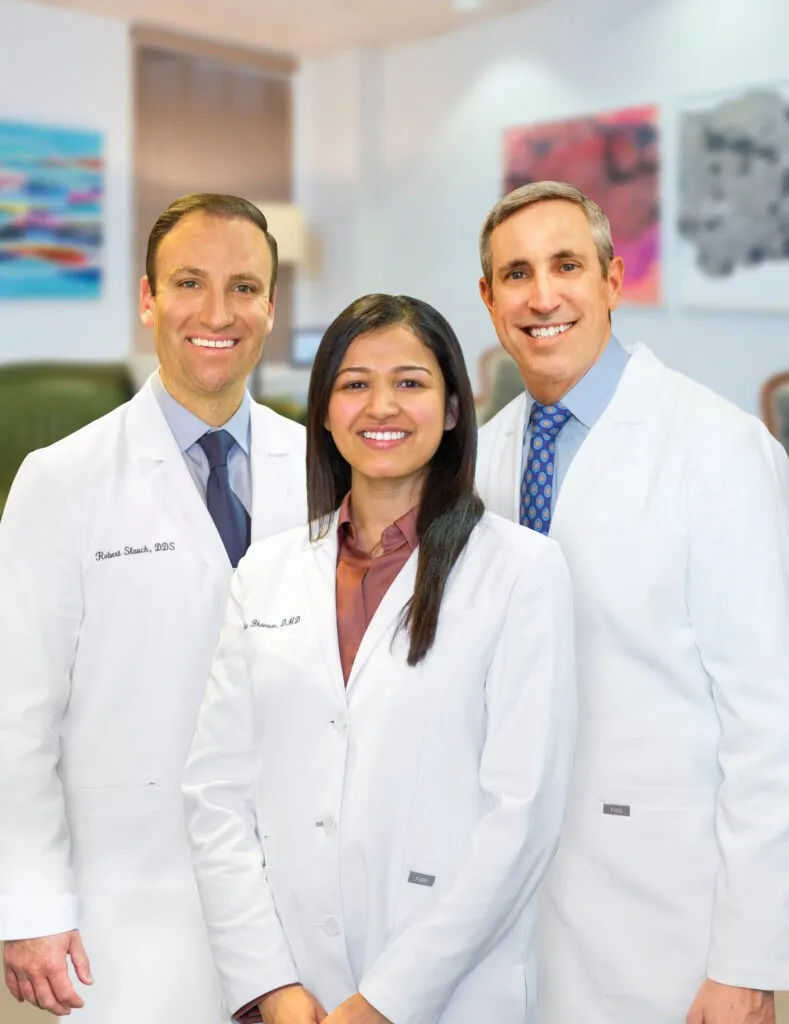
At Laudenbach Periodontics & Dental Implants, we see patients at every stage of implant care, from the first consultation through years of follow-up, and catching early warning signs is one of the biggest factors in whether an implant can be treated and saved or needs to be removed entirely. Dr. Jay Laudenbach and Dr. Ishita Bhavsar work with patients to identify these signs early, using detailed imaging and a full periodontal evaluation rather than guesswork.
Common Warning Signs of Implant Failure
Unlike a natural tooth, a dental implant lacks a periodontal ligament connecting it to the surrounding bone, so the surrounding tissue behaves differently when something goes wrong. Gum tissue around an implant tends to sit against the surface rather than attach to it directly, so once that seal is disrupted, inflammation can spread quickly, and bone loss can follow.
Gum Changes and Bleeding
Swollen, red, or bleeding gum tissue around an implant is often the first visible sign of a problem. This can indicate peri-implant mucositis, an inflammation limited to the soft tissue, which may still be reversible with prompt care before it progresses to the bone.
Looseness or Shifting
A stable implant should not move. Any looseness, shifting, or a change in how your bite feels may indicate bone loss around the implant or a loose component, and this symptom should never be ignored or assumed to resolve on its own.
Pain that appears well after the initial healing period, along with a bad taste or odor near the implant site, can also signal an infection developing beneath the gumline where you cannot see it.
What Puts an Implant at Higher Risk?
Smoking and a history of gum disease remain two of the most significant risk factors for implant complications, since both affect how well tissue heals and how the body responds to bacteria near the implant surface. Uncontrolled diabetes can also slow healing and make the surrounding tissue more vulnerable to infection.
A 2024 retrospective study on dental implant failure found that smoking and peri-implant infection were the leading contributors to implant loss, reinforcing how much daily habits and tissue health influence long-term outcomes. Certain medications are also worth discussing with your provider, since some, including specific antidepressants and reflux medications, have been associated with a higher risk of complications around implants.
The way an implant crown is designed and placed matters as well. Excess cement left beneath the gumline during crown placement is a well-documented contributor to peri-implant infection, which is one reason the materials and precision of an implant matter so much. Our practice places Straumann implants exclusively, using genuine components designed to fit with the accuracy that helps maintain a proper bacterial seal around the implant.
How We Help Protect Your Investment
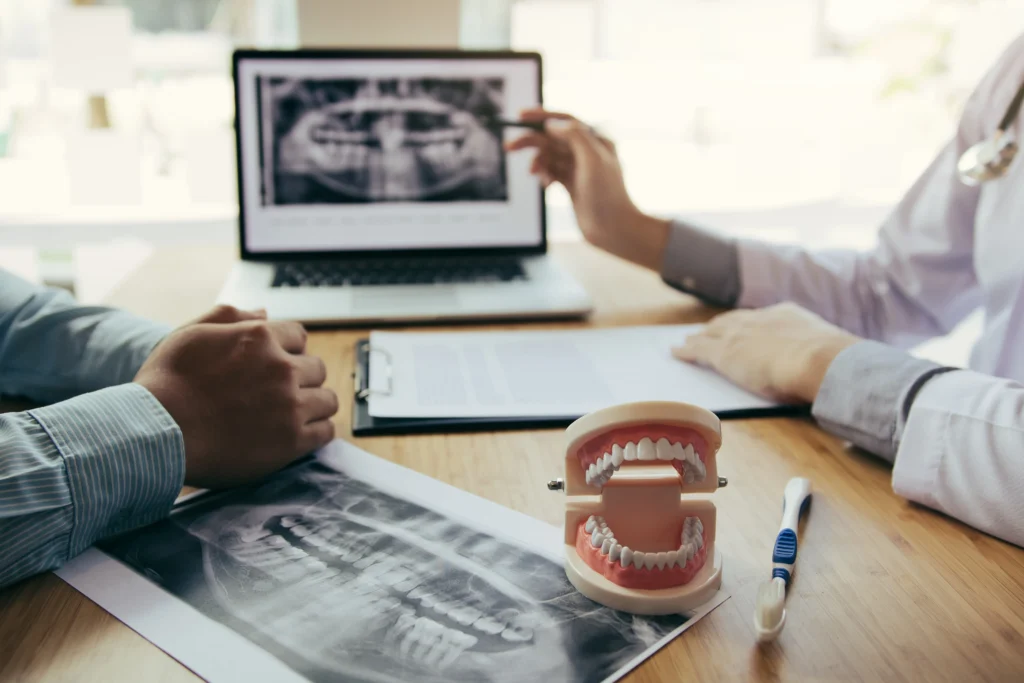
Every new patient at our practice begins with a comprehensive $219 consultation that includes advanced imaging, giving us a complete picture of bone quality and gum health before any treatment begins. This level of detail allows us to plan around risk factors before they become problems rather than reacting after the fact.
Follow-up care matters just as much as the placement itself. We schedule checkpoints at two weeks, three months, and one year after placement, and patients move into our regular hygiene program after that so any early changes around the implant get caught quickly. When inflammation is caught early, treatment options are more conservative than they are once bone loss has already started.
The following can meaningfully lower your risk between visits:
- Brush and floss around the implant the same way you would a natural tooth, paying close attention to the gumline.
- Avoid smoking or vaping, which reduces blood flow to healing tissue and raises the risk of infection.
- Keep routine hygiene visits on schedule so any early tissue changes are caught before they progress.
- Mention any new medications to your dental team, since some can affect healing around an implant.
Sticking with these habits alongside your scheduled visits gives your implant the best possible chance of lasting for years to come.
When Bone Loss Has Already Started
If bone loss has progressed significantly, treatment shifts toward a different set of options. In some cases, laser therapy can help clean an infected implant surface and calm the surrounding tissue enough to stop further bone loss. In more advanced cases, removing the implant, placing bone grafting material, and allowing the site to heal before placing a new implant may offer a better long-term outcome than trying to save a severely compromised one.
Frequently Asked Questions About Dental Implant Failure
What are the earliest warning signs that a dental implant may be failing?
The earliest signs are often subtle changes in the gum tissue around the implant, such as swelling, redness, or bleeding, which can indicate peri-implant mucositis. Any looseness, shifting, or change in how your bite feels should also be evaluated right away, since a healthy implant should not move.
Is peri-implant mucositis reversible, or does it always lead to bone loss?
Peri-implant mucositis is inflammation limited to the soft tissue around an implant, and it can often be reversed with prompt professional care before it progresses to the bone. Waiting to address it gives the inflammation more time to spread and increases the risk that it develops into peri-implantitis, which does involve bone loss.
What factors increase the risk of dental implant failure?
Smoking and a history of gum disease are among the most significant risk factors, since both interfere with healing and how the body responds to bacteria near the implant. Uncontrolled diabetes, certain medications, and excess cement left beneath the gumline during crown placement can also raise the risk of complications.
How often should I have follow-up visits after getting a dental implant?
Our practice schedules checkpoints at two weeks, three months, and one year after placement, after which patients move into a regular hygiene program. These visits allow us to catch early tissue or bone changes while treatment options are still conservative.
Can a dental implant be saved once bone loss has started?
It depends on how far the bone loss has progressed. In earlier stages, laser therapy can sometimes clean the infected implant surface and stop further bone loss, while more advanced cases may require removing the implant, grafting bone, and allowing the site to heal before placing a new one.
Laudenbach Periodontics & Dental Implants Is Here For Your Care
Recognizing the early signs of implant complications, from gum changes to unexpected looseness, gives you the best chance of addressing a problem while it is still manageable. Dr. Jay Laudenbach, a board-certified Diplomate of the American Board of Periodontology, and Dr. Ishita Bhavsar, board-eligible for the American Board of Periodontology and trained in Fotona laser therapy, bring detailed diagnostic care and genuine Straumann components to every implant patient we see.
If something around your implant feels different than it used to, waiting rarely makes the situation easier to treat. Our team is ready to evaluate your implant, answer your questions, and build a plan around your specific needs. You can reach out to us to schedule a visit.