Medically Reviewed by Dr. Jay Laudenbach, DMD on July 29, 2026
If you have noticed your teeth looking longer, felt new sensitivity to hot or cold, or seen your gum line pull back around one or more teeth, you may be a good candidate for gum tissue grafting. This periodontal procedure covers exposed tooth roots with healthy tissue, and it tends to work best for patients whose gum recession has stayed relatively stable rather than rapidly worsening.
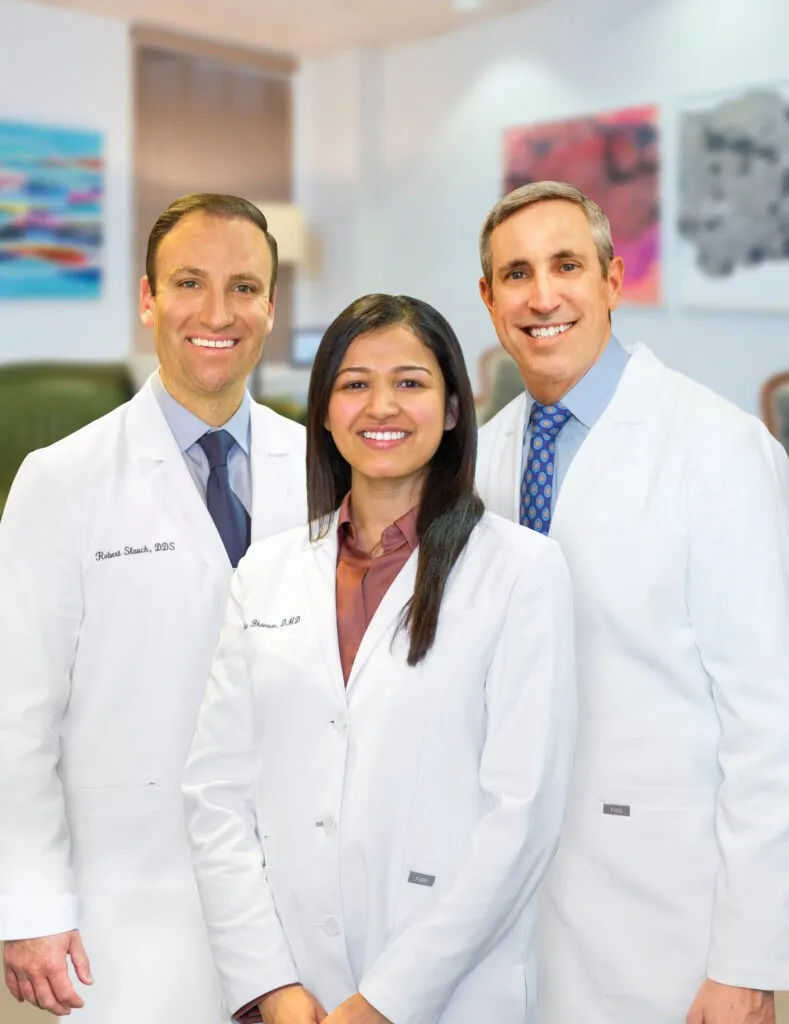
At Laudenbach Periodontics & Dental Implants, we evaluate each case individually rather than assuming one approach fits every patient. Dr. Jay Laudenbach, DMD, along with Dr. Ishita Bhavsar and Dr. Robert Slauch, brings periodontal and prosthodontic training to the evaluation process, so you get a clear picture of whether grafting addresses your specific pattern of recession.
How Gum Tissue Grafting Works
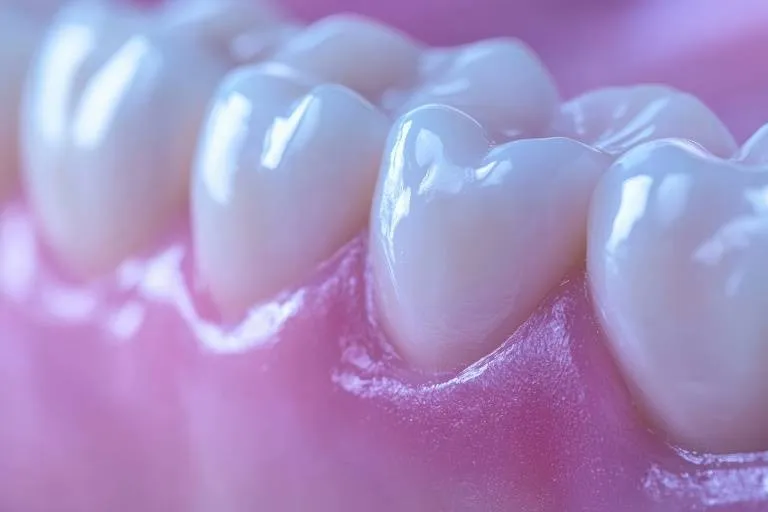
Gum tissue grafting adds healthy tissue to areas where the gum line has receded, covering exposed roots and rebuilding a more stable band of gum around the tooth. In many cases, the tissue used for the gum grafting procedures we perform comes from the roof of the mouth, which provides a strong, well matched tissue source. Some patients are better suited to a graft that uses processed donor tissue, which avoids creating a second surgical site altogether.
During the procedure, the treatment area is numbed, and the exposed root surface is thoroughly cleaned before the graft tissue is positioned over it and secured with sutures. The specific technique, whether a connective tissue graft, a free gingival graft, or a pedicle graft that shifts nearby gum tissue into place, depends on how much recession is present and how much healthy tissue surrounds the area. Your evaluation includes a discussion of which technique fits your case and why.
Signs You May Be a Good Candidate for Gum Grafting
Not every case of gum recession calls for a graft, and a careful evaluation helps determine whether the timing and pattern of your recession make grafting a good fit. During this evaluation, measurements of your gum recession, a comprehensive exam, photographs, and X-rays help identify the following.
If you have moderate recession that exposes some of your tooth root, whether on a single tooth or across several areas, you may be a strong candidate for grafting. Having generally good oral health beyond the recession itself also supports a positive outcome, and any active gum disease is typically addressed first to create a stable foundation. Recession that has remained relatively steady rather than rapidly progressing tends to respond more predictably to treatment, since your care team can plan around a known, stable starting point rather than a condition that is still changing.
Whether recession affects just one tooth or spans several areas of your mouth also factors into your evaluation, since the pattern of recession helps determine the graft technique and the amount of tissue needed. Patients with thin gum tissue in general, even without significant recession yet, are sometimes good candidates for a preventive graft that adds a sturdier band of tissue before problems develop.
What Can Cause Gum Recession
Understanding why your gums have receded helps determine whether grafting will hold up over time. Aggressive brushing is one of the most common causes, since firm bristles or heavy pressure gradually wear away gum tissue. Gum disease is another frequent contributor, along with tooth alignment that places uneven pressure on certain areas of the gum line. Some patients are simply more prone to thin gum tissue due to genetic factors, and past injury to the gum tissue can also lead to localized recession. Patients who begin orthodontic treatment while already having thin or receded gum tissue may see the condition progress further as teeth shift, since braces and aligners place additional pressure on the surrounding tissue and bone.
Identifying the root cause allows your treatment plan to address the underlying issue rather than just the visible symptom, which supports lasting results from gum recession treatment over the long term.
Health and Lifestyle Factors That Affect Healing
Beyond the cause of your recession, several personal health and lifestyle factors influence how well your body responds to gum grafting. Being smoke-free, or willing to pause tobacco use around the time of your procedure, supports healing, since smoking restricts blood flow to healing tissue. Well-managed health conditions and avoiding medications that significantly interfere with healing also play a role, as does maintaining good oral hygiene leading up to your procedure.
Our team takes the time to discuss your health history and daily habits during your evaluation, because these details shape both whether grafting is recommended and how your treatment plan is designed. Keeping up with periodontal maintenance care before and after your procedure also supports a stable result, since ongoing plaque control reduces the risk of further recession in the treated area.
What to Expect After Gum Grafting Surgery
Recovery from gum grafting generally follows a predictable pattern, though your periodontist tailors specific instructions to your case. In the first day or two, mild swelling, soreness, and some bleeding at the donor and graft sites are common, and sticking to soft, cool foods such as yogurt or a smoothie can make eating more comfortable. Brushing directly on the graft site is avoided during the initial healing period, while an antibacterial rinse helps keep the area clean without disturbing the new tissue.
Most patients notice swelling and discomfort easing within the first week, with continued healing over the following one to two weeks. A follow-up visit lets your periodontist confirm the graft is integrating well before you resume your normal oral hygiene routine at the treated site. Every case heals at its own pace, so following your periodontist’s post-surgical instructions closely gives the graft the best opportunity to take hold.
Most patients find they can return to work or normal daily activities within a day or two, though strenuous exercise is typically limited for about a week to reduce the risk of bleeding at the graft site. Your periodontist can walk you through pain management options and what to watch for, so you know when a follow-up call is warranted rather than an expected part of healing.
Possible Risks and Signs to Watch for After Gum Grafting
Like any periodontal surgery, gum grafting carries a small set of general risks that your periodontist reviews with you before treatment. Infection at the graft or donor site is uncommon when post-surgical instructions are followed closely, but it remains a possibility with any procedure that involves an incision. Some patients experience minor bleeding beyond what is typical for the first day or two, and a small percentage of grafts do not fully integrate with the surrounding tissue on the first attempt, which can sometimes call for a follow-up procedure.
Because early detection keeps small issues from becoming bigger ones, your periodontist gives you clear guidance on what counts as normal healing and what warrants a call to the office. Signs worth flagging promptly include increasing pain or swelling after the first few days rather than gradual improvement, bleeding that does not slow down, or a graft site that appears to be lifting away from the surrounding gum tissue. Reporting these changes early allows your periodontist to address them before they affect the outcome of your procedure. For a broader look at the grafting process itself, from technique selection to what a typical appointment involves, see our complete guide to gum tissue grafting.
Benefits of Treating Gum Recession Early
Addressing gum recession before it progresses can help preserve both the health and appearance of your smile. Covering exposed roots with grafted tissue can reduce sensitivity to hot, cold, and acidic foods, and it adds a protective layer over root surfaces that are otherwise more vulnerable to decay than enamel. Grafting can also help halt further recession in the treated area and restore a more even, balanced gum line, which many patients notice makes their teeth look less elongated.
Because healthy gum tissue also supports long-term outcomes for other periodontal and restorative work, including the relationship between gum health and dental implant candidacy, treating recession early can make future treatment planning more straightforward. Patients interested in refining the appearance of their gum line further sometimes combine grafting with cosmetic periodontal procedures for a more complete result.
Waiting on treatment does not always make the situation worse, since some recession stays stable for years without a graft. However, once root sensitivity, decay risk, or the visual change in your smile start to affect your daily comfort or confidence, that is usually a sign the recession has reached a point where treatment offers a meaningful improvement.
Signs It Might Be Time to See a Periodontist
Gum recession often develops gradually, which makes it easy to overlook until it has progressed. The following signs may indicate it is time to schedule an evaluation.
- Noticeable root exposure when you smile, speak, or look closely in the mirror.
- Discomfort with temperature changes in foods and drinks that did not used to bother you.
- Teeth that appear longer than they used to, or a gum line that looks uneven.
- Small notches or grooves forming near the gum line.
- Ongoing changes in your gum position, even if they seem minor.
Addressing these signals early often allows for simpler treatment before more complex issues develop, and an evaluation is the clearest way to know whether grafting or another approach fits your situation.
How Common Is Gum Recession?
Gum recession is one of the more common concerns periodontists evaluate, and it often develops alongside broader periodontal disease. According to the National Institute of Dental and Craniofacial Research, an estimated 42% of adults aged 30 and older have some form of periodontal disease, a condition closely linked to gum recession and long-term tooth root exposure. That prevalence is part of why routine periodontal evaluations matter, even for patients who have not noticed obvious symptoms yet. Left unaddressed, both periodontal disease and gum recession can progress gradually, so periodic screening helps catch changes while treatment options remain simpler.
Learn More About Gum Grafting With Our Team at Laudenbach Periodontics & Dental Implants
Dr. Jay Laudenbach, DMD, is a Diplomate of the American Board of Periodontology, and our team approaches every gum recession evaluation with the same close attention, measuring your specific pattern of recession, reviewing your oral health history, and walking through your options before recommending a course of treatment. We focus on comprehensive, individualized care rather than a one-size-fits-all approach to periodontal treatment, and we also discuss practical details like insurance coverage and flexible financing options as part of your treatment planning, so cost questions do not stand between you and healthier gums.
If you have noticed changes in your gums or increasing sensitivity, an evaluation can help clarify whether gum tissue grafting is the right next step for your smile. To schedule a consultation at our Philadelphia office, reach out through our contact form.
Frequently Asked Questions About Gum Tissue Grafting
What is a gum graft?
A gum graft is a periodontal procedure that adds healthy tissue to areas where the gum line has receded and exposed part of the tooth root. The added tissue covers the exposed root, helps reduce sensitivity, and can stop further recession in that area. The tissue used may come from the roof of the mouth or from processed donor material, depending on the case.
How long does it take to recover from a gum graft?
Most patients notice swelling and discomfort easing within the first week, with continued healing over the following one to two weeks. Many people return to normal daily activities within a day or two, while strenuous exercise is usually limited for about a week. Your periodontist gives you specific aftercare instructions based on your procedure.
Is gum graft surgery painful?
The procedure itself is performed with local anesthesia, so you should not feel pain during grafting. Afterward, mild soreness and swelling at the treatment site are common for the first few days, and your periodontist can recommend ways to manage this discomfort so you stay comfortable while the graft heals.
Are there different types of gum tissue grafts?
Yes. Common techniques include connective tissue grafts, which use tissue from beneath the surface of the palate, free gingival grafts, which use a thin layer of tissue directly from the palate, and pedicle grafts, which shift gum tissue from near the affected tooth. The right technique depends on the amount of recession and the tissue available in your mouth.
Is it ever too late to treat gum recession?
It is rarely too late to address gum recession, though treatment can become more complex in advanced cases involving significant bone loss or untreated gum disease. An evaluation helps determine whether grafting alone is appropriate or whether other periodontal treatment should happen first to create a stable foundation for lasting results.
Are there risks with gum graft surgery?
As with any periodontal procedure, gum grafting carries a small risk of infection, bleeding beyond what is typical, or a graft that does not fully integrate on the first attempt. These outcomes are uncommon when post-surgical care instructions are followed closely. Your periodontist reviews your specific risk factors during your evaluation and explains which symptoms warrant a follow-up call, so any concerns can be addressed early in your recovery.
About the Author
Board-Certified Periodontist | Diplomate, American Board of Periodontology
Dr. Jay Laudenbach focuses his practice on comprehensive periodontal and dental implant therapy in Philadelphia. He completed a four-year residency in periodontics and periodontal prosthesis at the University of Pennsylvania School of Dental Medicine, where he later held a faculty appointment teaching graduate periodontal residents, and he continues to lecture on implant dentistry today.