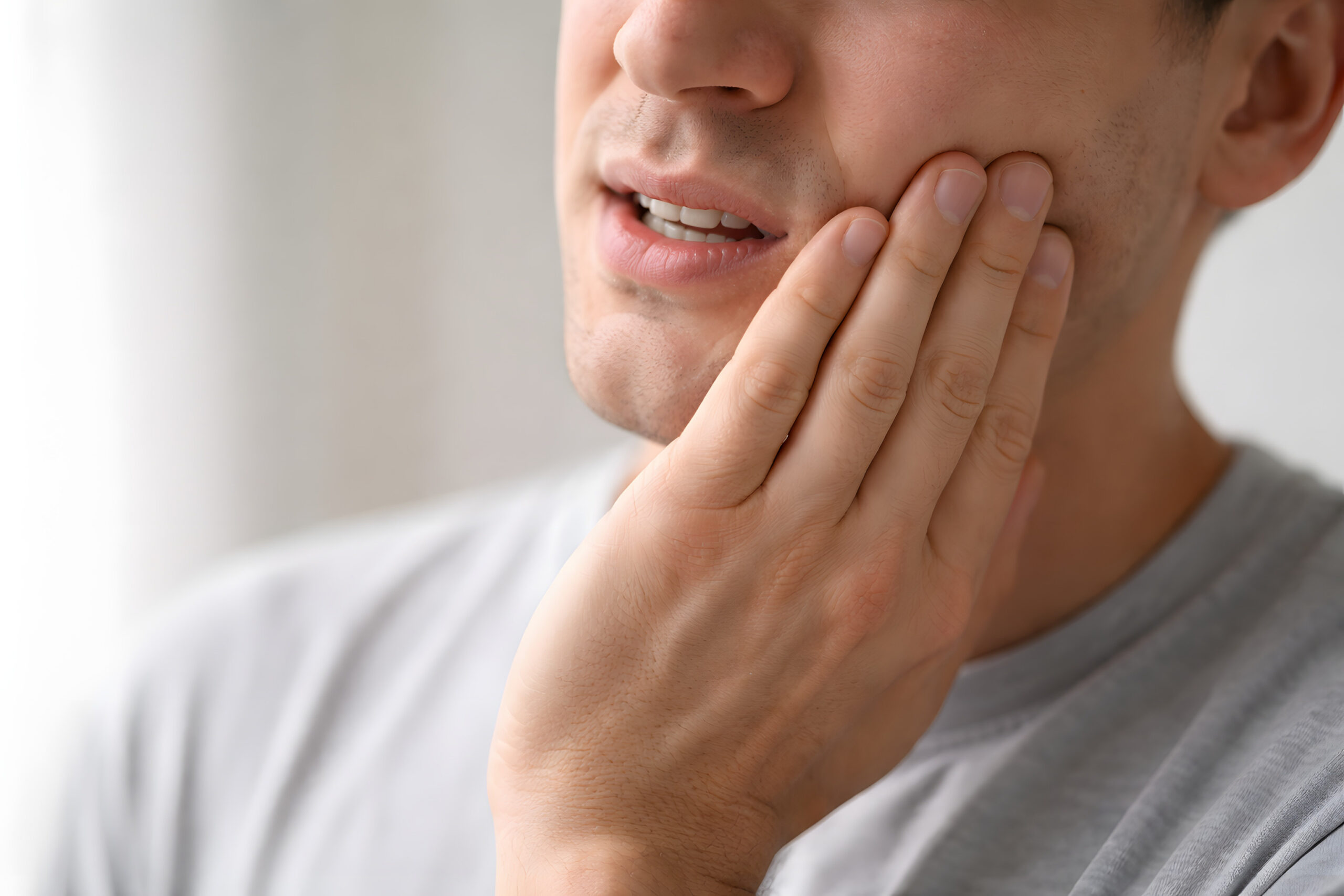
Dental implants are among the most reliable solutions for replacing missing teeth, but like natural teeth, they require ongoing care to stay healthy. When the tissues surrounding an implant become inflamed and the underlying bone begins to break down, the condition is known as peri-implantitis. Left untreated, it can progress rapidly and ultimately lead to implant failure. Recognizing the warning signs early and acting promptly makes all the difference in protecting your results.
At Laudenbach Periodontics & Dental Implants, we treat peri-implantitis as a serious condition that demands the same precision as any complex bone and tissue problem. As specialists in implant-related diseases, our team evaluates each case carefully before developing a treatment approach tailored to your situation. For patients who have undergone dental implant placement, routine monitoring is a critical component of long-term success.
What Causes Peri-Implantitis
The adaptation of gum tissue around dental implants has a weaker connection when compared to natural teeth. If oral hygiene is not ideal, the gum tissue around dental implants can become more easily inflamed and infected when compared to natural teeth. As a result it becomes even more important for dental implant patients to become experts in oral hygiene, especially in using a Waterflosser. The type and quality of gum tissue surrounding the dental implant is also of the utmost importance. Patients who lack a firm band of stable gum tissue known as “keratinized gingiva” are at a higher risk of developing peri-implantitis. Quite often our team will recommend soft tissue grafting in addition to implant disinfection and bone grafting. The new firm gum tissue creates a new protective barrier that is more resilient in preventing a recurrence of peri-implant disease.
Peri-implantitis shares many characteristics with periodontal disease in that both are driven by bacterial biofilm accumulating around the affected structures. When plaque is not adequately removed from around an implant, bacteria trigger an inflammatory response in the surrounding soft tissue. If this early stage inflammation is not addressed, it can advance into a pathological condition occurring in tissues around dental implants, characterized by inflammation in the peri-implant connective tissue and progressive loss of supporting bone.
Research from a 2023 clinical review of peri-implant diseases has found that peri-implantitis develops early, with bone loss progressing in a nonlinear and accelerated pattern that varies significantly between individuals, which is why early intervention is so important. Several factors can increase risk, including a history of gum disease, inconsistent oral hygiene, smoking, uncontrolled diabetes, and inadequate maintenance visits after implant placement.
How Peri-Implantitis Is Treated
Treatment is staged according to the severity of the disease. For mild cases, conservative debridement of the implant surface is attempted first, combined with detailed oral hygiene instructions. This non-surgical approach is effective at controlling early-stage inflammation but has well-documented limitations when bone loss is more advanced.
Surgical Options
When deeper pockets and more significant bone loss are present, surgical access allows for direct visualization of the implant surface, removal of diseased tissue, and more thorough decontamination. Depending on the bone defect, the approach may be resective or regenerative. In cases where bone can be rebuilt, we use guided bone and tissue regeneration to restore volume around the implant. Our Fotona laser system uses its Er:YAG and Nd:YAG wavelengths as an adjunct to surgical treatment to disinfect implant surfaces and support healing. When bone loss has been substantial, bone grafting may be performed alongside the surgical procedure to restore adequate support.
Several factors influence the prognosis for a treated case:
- The extent and configuration of bone loss at the time of diagnosis
- Whether systemic conditions affecting healing, such as uncontrolled diabetes, are present
- The patient’s commitment to professional maintenance and daily oral hygiene
- Whether smoking cessation has been achieved or is actively in progress
Addressing all of these variables together, not just the surgical component, is what leads to lasting results.
Schedule Your Consultation at Laudenbach Periodontics & Dental Implants
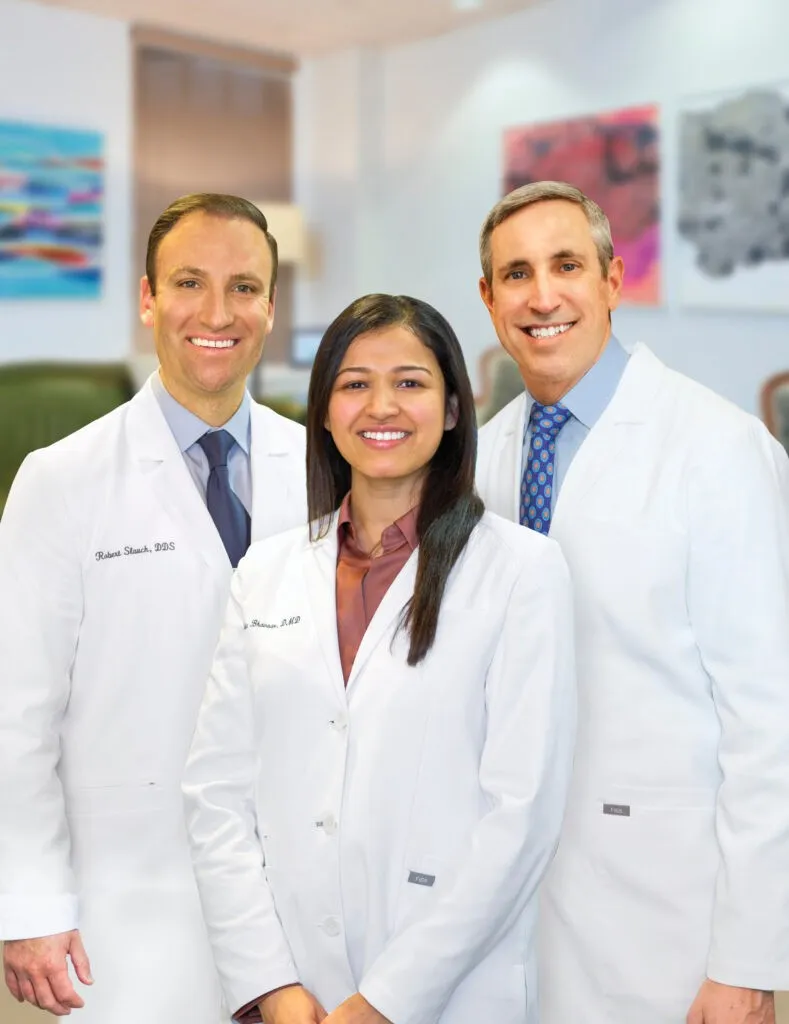
If you have dental implants and are experiencing any of the warning signs described above, or if your general dentist has recommended a periodontic evaluation, we encourage you to schedule a $219 consultation with us. Dr. Jay Laudenbach is a Diplomate of the American Board of Periodontology, and Dr. Ishita Bhavsar is Board Eligible, ABP, bringing advanced training in the diagnosis and management of complex implant-related conditions.
Our practice serves patients throughout the greater Philadelphia area, and we take a thorough, individualized approach to every case. To request an appointment or learn more about our peri-implantitis treatment, please contact us using our online form.