Your dentist just told you that you need “periodontal maintenance” instead of your usual six-month cleaning, and now you are left wondering what changed. The terms sound similar, and the appointments may even seem alike at first, yet the frequency and type of care differ. The reason usually comes down to your history with gum disease and what needs to be cleaned and monitored between visits.
A regular cleaning is preventive care for someone without active periodontal disease, while periodontal maintenance is ongoing care after treatment for periodontitis. At Laudenbach Periodontics & Dental Implants, preventive periodontal care may include more frequent visits and closer attention to areas below the gumline where disease has previously caused problems. The difference is not just how often your teeth are cleaned, but what your gums need to keep the disease under control.
What Happens During a Regular Cleaning
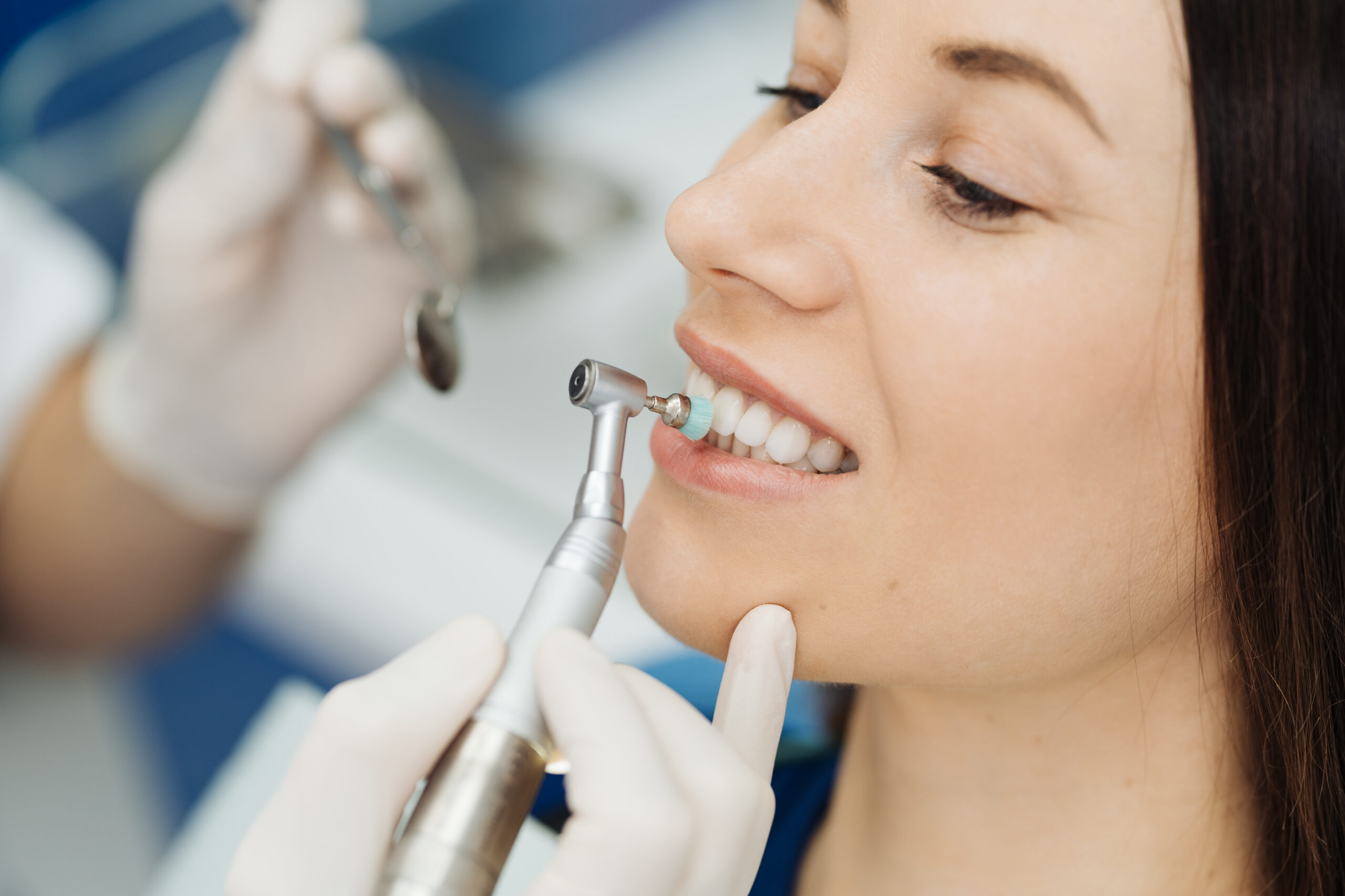
A standard dental cleaning, also called prophylaxis, is designed for patients with healthy gums and no signs of periodontal disease. During this visit, a hygienist removes plaque and tartar from the visible surfaces of your teeth and just below the gumline, polishes your teeth, and checks for early warning signs of decay or inflammation. Most patients with healthy gums only need this type of routine teeth cleaning twice a year to keep plaque from building up into something more serious.
This type of cleaning works well because it addresses surface buildup before it can cause damage. Once gum disease has been diagnosed and treated, though, a standard cleaning is no longer sufficient to protect the deeper structures that support your teeth.
What Periodontal Maintenance Involves
Periodontal maintenance is a more thorough visit reserved for patients who have already been treated for gum disease. Rather than focusing only on the tooth surface, this appointment addresses the pockets that form between your teeth and gums when periodontal disease has caused the tissue to pull away from the tooth. We measure pocket depth at multiple points around each tooth, remove bacteria and buildup from below the gumline, and monitor for any sign that the disease is returning.
Dr. Jay Laudenbach, a board-certified diplomate of the American Board of Periodontology, and Dr. Ishita Bhavsar, who is board-eligible for the American Board of Periodontology, perform these visits with training focused on long-term management of periodontal disease. Because the goal is ongoing disease control rather than routine upkeep, periodontal maintenance visits are typically scheduled more frequently than standard cleanings.
Why the Two Are Not Interchangeable
Once gum disease progresses to periodontitis, the damage to the bone and tissue around the teeth does not simply reverse after treatment. That is why keeping the disease under control usually requires ongoing maintenance. A 2021 review published by the National Institutes of Health found that periodontal maintenance intervals often range from two to six months, depending on factors such as smoking, diabetes, oral hygiene, and how the disease has responded to treatment. A standard cleaning does not provide the same level of care below the gumline, so periodontal maintenance may be more appropriate if any of the following apply:
- Previous gum disease: You have been diagnosed with periodontitis or treated for gum disease in the past.
- Recurring symptoms: Your gums begin to bleed, swell, or feel tender between visits.
- Deeper pockets: Your dentist or periodontist has found periodontal pockets that require continued monitoring.
- Previous periodontal treatment: You have undergone scaling and root planing, periodontal surgery, or another procedure to control gum disease.
If any of these sound familiar, ask your dentist or periodontist which type of cleaning should be part of your ongoing care.
How We Determine Which Cleaning You Need
Choosing the right cleaning schedule starts with looking at what is happening around each tooth. We measure the depth of the gum pockets, review any history of gum disease or prior periodontal treatment, and consider other factors that may increase the likelihood of recurrence. If you are unsure whether to see a periodontist or continue routine cleanings with your general dentist, this evaluation can help answer that question as well.
Even two people with the same diagnosis may not need cleanings on the same schedule. How your gums respond after treatment, and what we observe at follow-up visits, can affect how often periodontal maintenance is needed.
Find the Right Cleaning Schedule at Laudenbach Periodontics & Dental Implants
Dr. Laudenbach and Dr. Bhavsar bring specialized periodontal training to every evaluation, allowing them to determine when a standard cleaning is sufficient and when a history of gum disease calls for more frequent periodontal maintenance. They can also walk you through why a particular schedule is being recommended and what they will be watching for at each visit.
If you are unsure which type of cleaning you need or how often you should be coming in, contact our office to schedule an evaluation. We can review your current gum health and treatment history to give you a clearer picture of what your maintenance schedule should look like.