Noticing a tooth that looks a little longer than it used to, or a spot along the gumline that stings when you drink something cold, is easy to brush off at first. Gum recession tends to creep in quietly, and by the time it is noticeable in the mirror, the exposed root surface has usually been unprotected for a while.
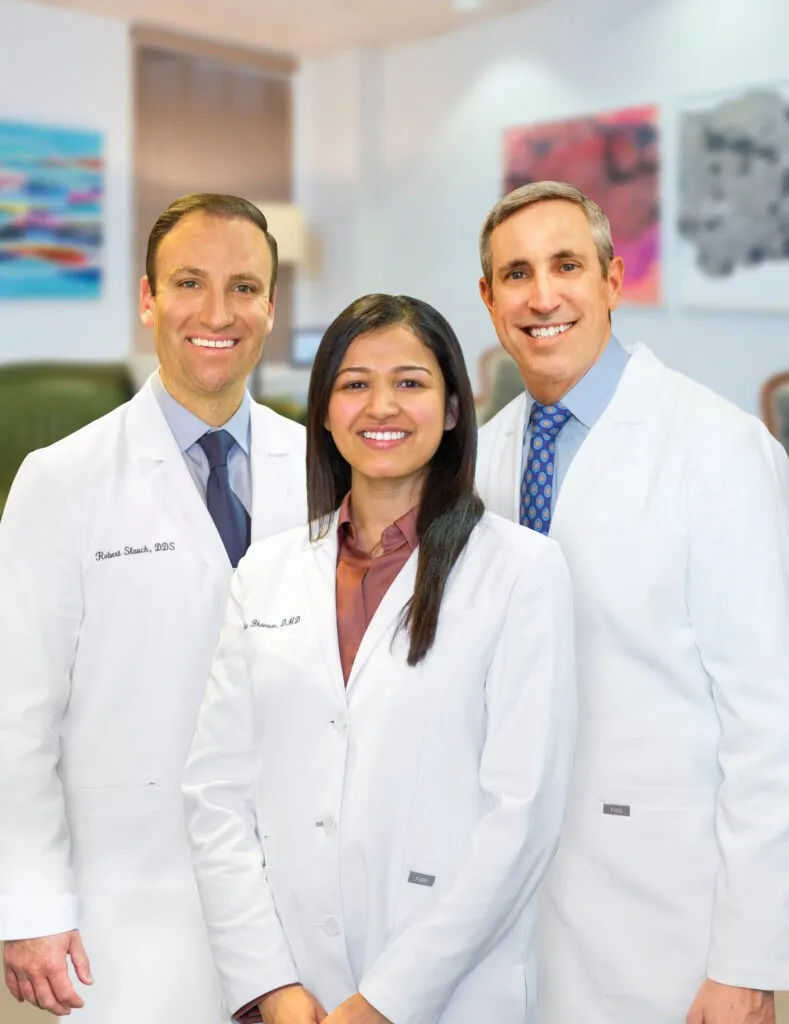
At Laudenbach Periodontics and Dental Implants, we treat gum recession with techniques built around your comfort and the long-term health of the tooth, not just the graft itself. Dr. Jay Laudenbach and Dr. Ishita Bhavsar work with grafting methods that limit how much tissue needs to be moved and how much of the mouth needs to be involved in the healing process.
Why Gum Recession Needs Attention
Gum tissue protects the root surface of a tooth from bacteria and everyday wear. When recession occurs, that protective layer thins out or disappears in spots, and the root underneath becomes exposed to the same forces that never used to reach it directly.
Left alone, this exposure tends to progress. The root surface is softer than enamel, so it wears down more easily from brushing or grinding, and it is more vulnerable to decay along the gumline. Sensitivity to temperature and pressure is often the first sign, but the deeper concern is the tooth’s long-term stability.
Common Causes We See in Practice
Recession has more than one cause, and understanding which one applies to you shapes how we approach treatment. A brushing habit that is too aggressive, a bite that puts uneven pressure on certain teeth, or a history of gum disease can each wear away tissue in different patterns.
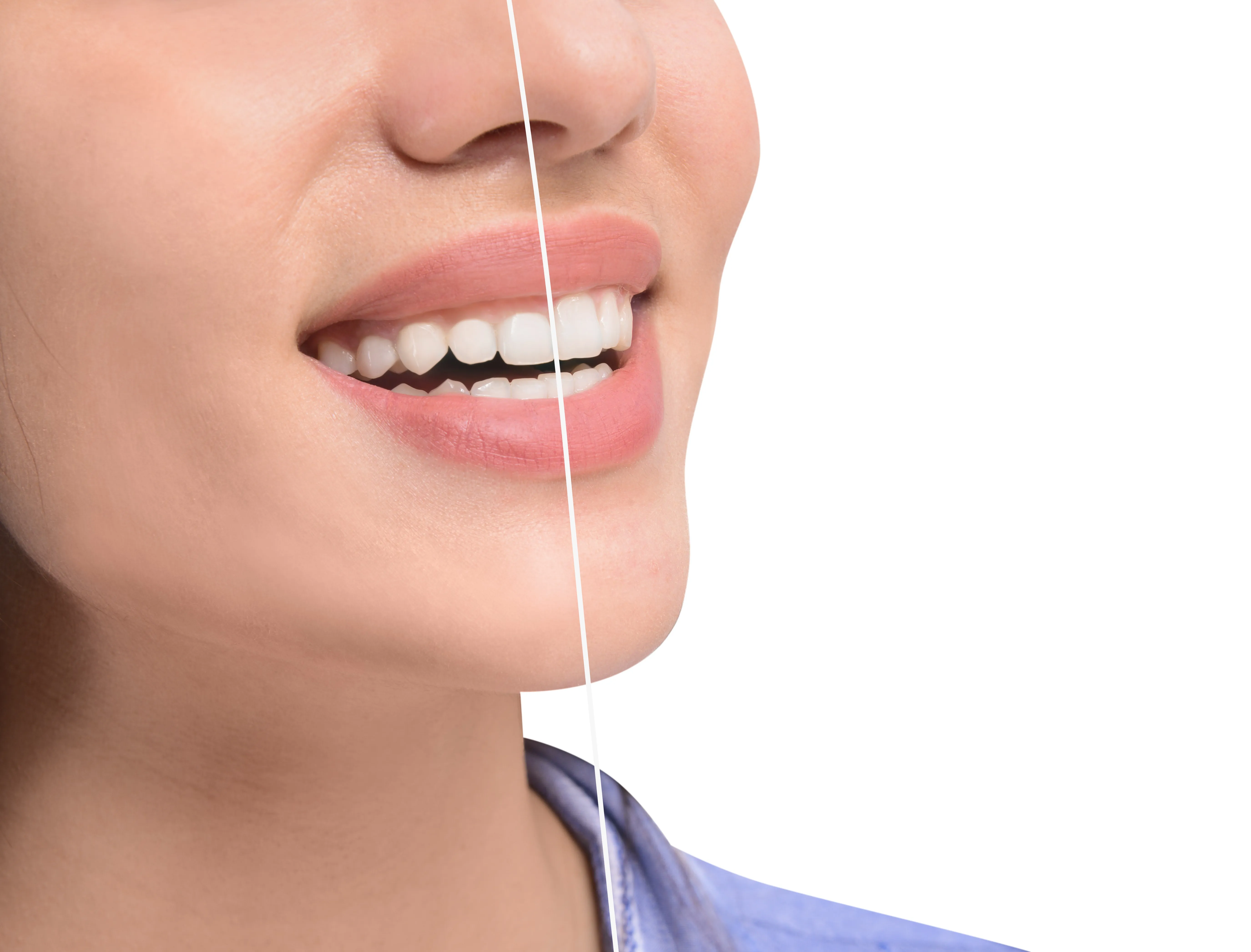
We also look at whether a tooth is positioned slightly outside the normal dental arch, since teeth that sit further forward or back in the jaw often have thinner bone and gum coverage to begin with. Identifying the underlying cause helps us plan a graft that addresses the root of the problem, not only the visible symptom.
How Modern Gum Grafting Has Changed
Gum grafting used to mean a fairly involved surgical process, with a larger piece of tissue taken from the palate and sutured into place over an open area of gum. Results were often good, but the process asked a lot of the patient during healing.
Dr. Laudenbach prepares grafts differently. After taking tissue from the palate, the area is covered completely with a collagen material, then protected further with an appliance worn over the palate during healing. Because the surgical site stays covered rather than exposed, the healing experience is far more manageable day to day than older techniques allowed for.
Tunnel Grafting and Smaller Incisions
One of the more minimally invasive options available today is a tunneling approach, where a small pocket is created beneath the existing gum tissue rather than lifting a full flap. Connective tissue is then placed inside that pocket and gently guided into position without large releasing incisions.
A tunneling approach preserves the natural shape of the gumline between teeth, since the tissue there is not disturbed the way it can be in older, more open techniques. Research on this approach, including a 2025 review of tunnel technique outcomes for gingival recession, has pointed to its minimally invasive nature and its tendency to promote faster healing compared to techniques that rely on releasing incisions.
Laser Assisted Periodontal Therapy
Dr. Laudenbach and Dr. Bhavsar are both trained by Fotona in laser-assisted periodontal therapy, which pairs two laser wavelengths to treat gum tissue with precision. This laser periodontal therapy approach could be used alongside grafting to support tissue health during the treatment process.
The laser can help address bacteria in the surrounding tissue as part of a broader treatment plan, which supports the graft as it integrates with the existing gum. This combination reflects how far grafting techniques have moved from the more extensive surgical procedures of decades past.
What to Expect from Treatment and Recovery
Every case of gum recession is different, so treatment planning starts with a close look at how much tissue is affected, the position of the teeth involved, and the underlying cause. Some patients may benefit from a tunneling technique, while others could be better served by a traditional connective tissue graft depending on the extent of the recession.
During your first visit, we walk through what the healing process may look like for your specific situation. A few general points tend to apply across most grafting procedures, whether traditional or minimally invasive.
Here is what most patients can generally anticipate during recovery:
- Avoiding chewing directly on the treated area for a few weeks while the graft settles
- Following soft food guidelines to protect the surgical site during early healing
- Attending a follow-up visit so we can confirm the graft is integrating as expected
Most patients describe the recovery period as more of an inconvenience than anything else, since avoiding certain foods and movement near the graft site is the main adjustment during the first few weeks.
Get Gum Grafting Treatment at Laudenbach Periodontics and Dental Implants
Advanced gum grafting today looks very different from the procedures of past decades, and that shift benefits patients directly. Dr. Jay Laudenbach, a board-certified Diplomate of the American Board of Periodontology with more than 30 years of experience, and Dr. Ishita Bhavsar, board-eligible for the American Board of Periodontology and trained by Fotona in laser therapy, bring both surgical precision and a comfort-focused approach to every graft performed in our office.
If you have noticed gum recession or sensitivity along your gumline, addressing it sooner tends to lead to a more predictable outcome and a shorter, more comfortable recovery. Reach out to us to schedule a visit and talk through which grafting option is the right fit for you.