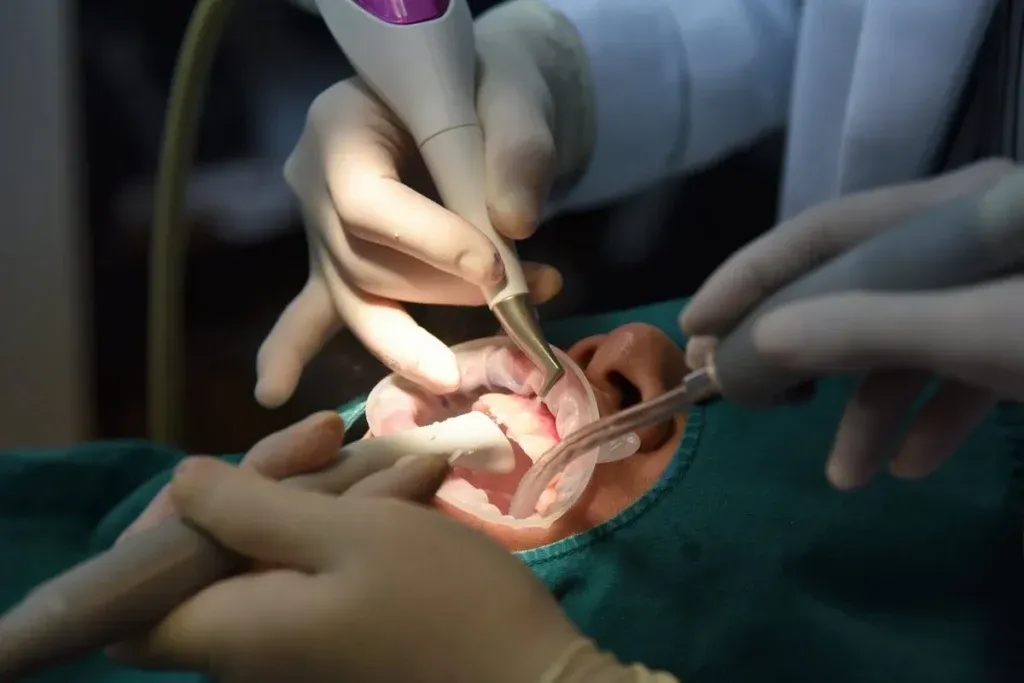
Most people don’t realize their gums are in trouble until the warning signs are impossible to ignore. Unfortunately, by then, the damage may already be underway. Gum disease is one of the most common and preventable oral health conditions, yet it remains a leading cause of tooth loss in adults, largely because its earliest symptoms are so easy to brush off.
Noticing something different in your mouth, whether it’s a little bleeding when you brush or gums that seem to be pulling back, can feel unsettling. At Laudenbach Periodontics & Dental Implants, our compassionate team of periodontal specialists is here to help you understand what your body is telling you and guide you toward lasting gum health.
Early Warning Signs You Should Never Ignore
Catching gum disease in its earliest stage, known as gingivitis, gives you the best possible chance of reversing it completely. Your gums are communicating with you every single day, and learning to read those signals is one of the most important things you can do for your overall health. According to the CDC’s oral health data, nearly half of American adults aged 30 and older have some form of periodontal disease, making awareness of these symptoms critical.
Bleeding Gums When Brushing or Flossing
Healthy gums don’t bleed. If you notice pink in the sink after brushing, that’s your body asking for attention. While many people assume bleeding gums are normal, they are actually one of the first and most telling signs that inflammation has set in. Don’t wait to see if it resolves on its own, since bleeding that continues for more than a week or two is a signal worth having evaluated.
Swollen, Red, or Tender Gums
Gums that look red instead of a healthy pink, feel puffy, or are sore to the touch are showing signs of early infection. This tenderness is often one of the first noticeable changes before more serious symptoms develop, and it can come and go, which makes it easy to dismiss.
Persistent Bad Breath
When bacteria accumulate beneath the gumline, they produce compounds that cause chronic bad breath, and no amount of mouthwash can fully resolve it. If you’ve noticed that your breath doesn’t seem fresh even after thorough brushing, periodontal therapy may be exactly what you need.
Gum Recession
If your teeth appear longer than they used to, your gums may be receding. Recession exposes the sensitive root surfaces of teeth and creates pockets where bacteria thrive. Gum recession treatment can help restore the gumline and protect your teeth from further damage.
Loose Teeth or a Change in Your Bite
Teeth that feel slightly loose, or a bite that suddenly feels different when you chew, can mean gum disease has progressed enough to affect the bone and ligaments that hold your teeth in place. This symptom tends to show up later than bleeding or swelling, so noticing it is a sign that a periodontal evaluation should not wait.
The Stages of Gum Disease: From Gingivitis to Advanced Periodontitis
Gum disease does not appear overnight, and it does not affect every mouth the same way. It develops in stages, and knowing where you fall on that spectrum helps explain why some warning signs feel minor while others feel urgent. Gingivitis is the earliest stage, marked by redness, puffiness, and occasional bleeding, and it is fully reversible with professional care and consistent hygiene at home. Mild periodontitis follows when bacteria move beneath the gumline and begin to affect the supporting bone, creating small pockets around the teeth. Moderate periodontitis involves deeper pockets, more persistent bad breath, and sometimes visible pus along the gumline as the surrounding ligaments and bone continue to erode. Advanced periodontitis is the most serious stage, where significant bone loss can leave teeth loose or require removal.
The CDC’s data on periodontal disease also notes that roughly 8 percent of adults have this more severe form of the condition, which is why catching gum disease early matters so much. If tooth loss has already occurred or a tooth cannot be saved, dental implant options can help restore both function and appearance, but preventing that outcome in the first place is always the better path.
What Happens During a Periodontal Evaluation?
A periodontal evaluation is more thorough than a standard dental checkup, and understanding what it involves can make the process feel far less intimidating. Your periodontist will gently measure the depth of the pockets around each tooth with a small probe, since deeper pockets generally indicate more advanced gum disease. Dental x-rays help reveal how much bone remains supporting your teeth, which is not visible during a simple visual exam. We will also review your health history, since conditions like diabetes and habits like smoking directly influence how gum disease develops and responds to treatment.
Once we understand where your gum health stands, we can recommend a plan suited to your situation, whether that means more frequent cleanings or active treatment. For patients who have already been treated for gum disease, staying on a personalized periodontal maintenance schedule is one of the most effective ways to keep it from returning.
What Causes Gum Disease?
Understanding what leads to gum disease helps you take meaningful steps to prevent it. Poor oral hygiene is the most common culprit, allowing plaque to harden into tartar along the gumline. But other factors can significantly increase your risk as well. These include:
- Smoking or tobacco use
- Hormonal changes during pregnancy or menopause
- Diabetes and other systemic health conditions
- Certain medications that reduce saliva flow
- Genetics and a family history of gum disease
- Certain autoimmune conditions that affect the body’s inflammatory response
Most people have more than one risk factor at play, which is part of why gum disease shows up so differently from patient to patient. Knowing your own risk profile is one of the most useful things you can discuss at your next visit.
How Gum Disease Is Treated
Treatment depends entirely on how far gum disease has progressed. In its earliest stage, gingivitis often responds well to a professional cleaning paired with better daily habits, since no permanent bone loss has occurred yet. Once the condition advances into periodontitis, non-surgical periodontal therapy, such as scaling and root planing, is typically the first line of treatment, working beneath the gumline to remove bacteria and smooth the tooth root so gums can reattach.
For more advanced cases where deep pockets and bone loss remain after non-surgical care, osseous surgery can reduce pocket depth and reshape the bone to make ongoing hygiene and maintenance more effective. The right combination of treatments can help stabilize gum disease and, in many cases, prevent it from progressing any further.
How to Prevent Gum Disease
Prevention truly is the most powerful tool in protecting your smile. Brushing twice a day with a soft-bristle toothbrush, flossing daily, and maintaining consistent oral hygiene habits are the foundation of a healthy gum care routine, and regular professional cleanings catch what a toothbrush alone cannot. Prophylaxis teeth cleaning at our office goes beyond a standard cleaning, targeting the buildup that everyday brushing simply can’t reach.
It’s also worth knowing that lifestyle choices play a significant role. Staying well hydrated, eating a balanced diet low in processed sugars, avoiding tobacco, and managing stress all contribute to a healthier oral environment. If you’ve been told you’re at higher risk due to genetics or a health condition, more frequent monitoring can make all the difference in staying ahead of gum disease before it progresses.
Why Gum Disease Is a Whole-Body Health Concern
The relationship between oral health and whole-body health is very real, and it is one of the reasons early treatment matters beyond just saving teeth. Research has linked untreated periodontal disease to an increased risk of heart disease, diabetes complications, and other systemic conditions, which is why the mouth-body connection is something we take seriously at every appointment.
Chronic inflammation in the gums does not necessarily stay contained to the mouth. Because bacteria from infected gum tissue can enter the bloodstream, ongoing gum disease can make it harder for patients with diabetes to manage blood sugar and may add strain to other areas of overall health. This is one more reason we look at each patient’s full health picture, not just what is happening at the gumline.
Your Healthiest Gums Start at Laudenbach Periodontics & Dental Implants
When you choose Laudenbach Periodontics & Dental Implants, you’re placing your trust in a team that genuinely cares about how you feel from the moment you walk through our doors. Dr. Jay Laudenbach is a Board Certified Diplomate of the American Board of Periodontology, and Dr. Ishita Bhavsar is Board Eligible for the American Board of Periodontology, bringing deep clinical knowledge and warmth to every patient interaction. Our goal has always been to make you feel comfortable, relaxed, and heard.
We believe that when we exceed your expectations, the results speak for themselves. If you’ve noticed any of the warning signs above, or if it’s simply been too long since your last periodontal evaluation, we’d love to welcome you in. Contact our office today to schedule your appointment and take the first caring step toward a healthier smile.
Frequently Asked Questions About Gum Disease Prevention and Early Warning Signs
What is the difference between gingivitis and periodontitis?
Gingivitis is the earliest stage of gum disease, involving redness, swelling, and occasional bleeding without any permanent bone loss. It is fully reversible with a professional cleaning and consistent home care. Periodontitis develops when gingivitis goes untreated and bacteria spread beneath the gumline, damaging the bone and ligaments that hold teeth in place. Periodontitis is manageable but not reversible, which is why catching gum disease at the gingivitis stage matters so much.
Is gum disease contagious?
Gum disease itself is not contagious in the way a cold or flu is, but the bacteria that cause it can pass between people through close contact with saliva, such as sharing utensils or kissing. This does not mean everyone exposed will develop gum disease, since your own oral hygiene, genetics, and overall health play a much larger role. Maintaining your own healthy habits remains the most reliable form of protection.
Can gum disease be reversed once it has progressed?
Gingivitis can typically be reversed completely with professional treatment and improved daily care, since no bone has been lost yet at that stage. Once gum disease advances into periodontitis, however, any bone or tissue already lost generally cannot be regrown on its own. Treatment at that point focuses on stopping further damage and managing the condition long term, which is why early intervention makes such a meaningful difference.
How often should I have a periodontal evaluation if I am at higher risk?
Most patients benefit from a periodontal evaluation at least once a year as part of a routine dental visit. If you smoke, have diabetes, are pregnant, or have a family history of gum disease, more frequent visits, often every three to four months, allow us to catch changes early and adjust your care plan before problems progress. Your periodontist can recommend a schedule based on your specific risk factors.
What is the difference between a regular cleaning and a deep cleaning for gum disease?
A regular cleaning, known as prophylaxis, removes plaque and tartar above the gumline to maintain healthy gums. A deep cleaning, called scaling and root planing, reaches below the gumline to remove bacteria and smooth the tooth root, which is recommended once pockets have formed from periodontitis. Deep cleanings are typically done in sections, sometimes with local anesthesia, since they treat a more advanced level of buildup and infection.