When a tooth is lost, the jawbone in that area begins to deteriorate. Without the stimulation that a natural tooth root once provided, the bone gradually loses volume and density over time. For many patients exploring dental implants in the Philadelphia area, this bone loss is the reason a graft becomes a necessary first step before implant placement can happen.
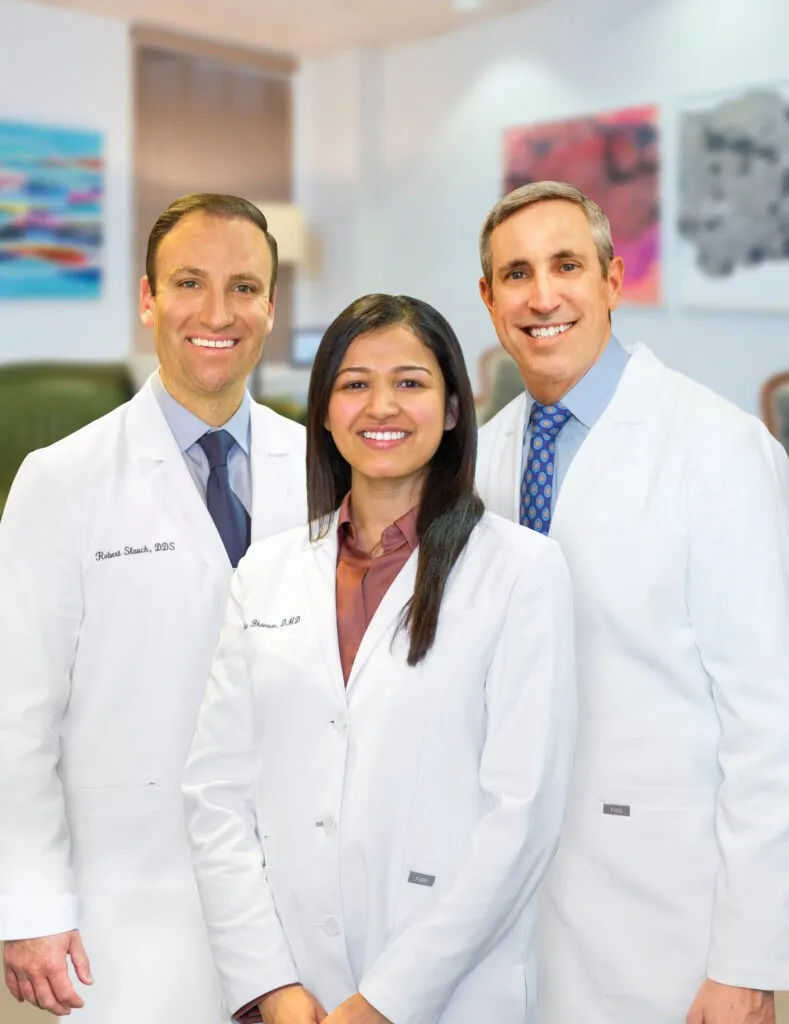
At Laudenbach Periodontics & Dental Implants, our team is here to guide you through every part of this process with clarity and care. Led by our team of highly trained dental specialists, Dr. Jay Laudenbach and Dr. Ishita Bhavsar, our practice brings extensive expertise and advanced training to every patient. Dr. Laudenbach is a Board Certified Diplomate of the American Board of Periodontology and a graduate of the Penn Periodontics program, with over 20 years of trusted experience helping patients rebuild and restore their smiles.
Why Bone Volume Is Essential for Implant Success
A dental implant is a titanium post placed directly into the jawbone, where it fuses with the surrounding bone through a process called osseointegration. For that fusion to hold long-term, there must be sufficient bone density and volume at the implant site.
Bone loss can result from tooth extraction, advanced periodontal disease, or the natural deterioration that occurs when teeth have been missing for an extended period. In these cases, a bone graft is used to restore the necessary foundation before an implant can be placed. Without adequate bone support, an implant would not have the structural stability it needs to be successful long-term.
Types of bone grafting Materials
There are several types of bone grafting materials we use depending on a patient’s anatomy, health history, and the extent of bone loss. Each option has been refined over years of clinical research and produces reliable, predictable results.
The most common grafting materials include the following options:
- Autograft: bone taken from another area of the patient’s own body, often considered the most biocompatible option available
- Allograft: donor bone sourced from a processed bone bank, which eliminates the need for a second surgical site
- Xenograft: bone material derived from an animal source, most commonly bovine, with decades of successful use in periodontics
- Alloplast: synthetic bone substitute materials that serve as a scaffold to support the growth of new bone tissue
After a thorough evaluation, Dr. Laudenbach will recommend the grafting approach that best fits your individual needs and long-term treatment goals.
When Bone Grafting Is Recommended
Not every implant patient will need a bone graft, but it is a common part of the process for many people. Understanding when it may be necessary can help you feel more prepared going into your consultation.
Patients who have experienced significant bone loss due to long-term tooth absence are often strong candidates for grafting. Those who have undergone periodontal therapy to treat advanced gum disease may also need grafting to restore bone that was damaged in the process. Additionally, patients pursuing implants after a recent extraction can benefit from socket preservation, a procedure that protects the bone immediately after removal and reduces the likelihood of more extensive grafting later on. In cases involving significant volume loss, ridge augmentation may also be recommended to rebuild the shape and width of the jaw before implant placement.
What to Expect During and After the Procedure
The grafting procedure is performed under local anesthesia, and sedation options are available for patients who want a more relaxed experience throughout. The graft material is placed at the site, often covered with a protective membrane to support the healing environment, and the area is sutured closed.
Healing typically spans several months, during which the body integrates the graft and new bone tissue develops in its place. We monitor this process closely through follow-up visits and will let you know when the site is ready for implant placement. While the timeline requires patience, this phase is what creates the stable foundation that makes a successful, long-lasting implant possible.
Guided Bone and Tissue Regeneration
In some cases, bone grafting is paired with a technique called guided bone and tissue regeneration. This involves placing a specialized membrane over the graft site to prevent soft tissue from growing into the space too quickly, giving new bone the time and environment it needs to develop properly.
Guided bone regeneration is particularly valuable when the jaw’s natural architecture has been significantly compromised. It is one of the advanced techniques that allows our team to achieve predictable, high-quality outcomes even in complex cases, and it reflects the level of care we bring to implant preparation at our Philadelphia practice.
Premium Materials and Specialist Expertise
The materials and expertise behind bone grafting and implant preparation directly impact the quality and longevity of your outcome. At Laudenbach Periodontics & Dental Implants, we exclusively place implants manufactured by Straumann, the leading dental implant manufacturer in the world. We use only genuine Straumann high-quality components to create your new teeth and ensure a long-lasting result.
Beyond materials, the depth of specialist training behind your care matters enormously. Dr. Laudenbach leads a study group where other dental professionals come to learn advanced periodontal and implant techniques, a reflection of the expertise he brings to every patient. When patients come to us with complex bone loss situations, we approach each case with precision, thoughtfulness, and a genuine commitment to getting it right.
Schedule a Consultation at Our Philadelphia Practice
If you have been told you need a bone graft before getting implants, or if you are exploring your options after tooth loss, we are here to help you understand exactly what is involved. Many patients who come in feeling uncertain about their candidacy leave with a clear, realistic plan for restoring their smile.
We invite you to request an appointment at our Philadelphia office to discuss your bone health and the implant treatment path that is right for you. Our $219 consultation offer includes all necessary X-rays, full periodontal charting, and a full series of photos at no additional charge, so you can get the complete picture of your oral health from the very first visit.