When gum disease reaches an advanced stage, brushing and flossing simply are not enough to turn things around. The infection has moved below the gumline, destroying the bone and tissue that hold your teeth in place. At that point, a deeper level of treatment becomes necessary. Osseous surgery is one of the most effective procedures available for addressing severe periodontal disease, and understanding what it involves can help you feel more confident moving forward.
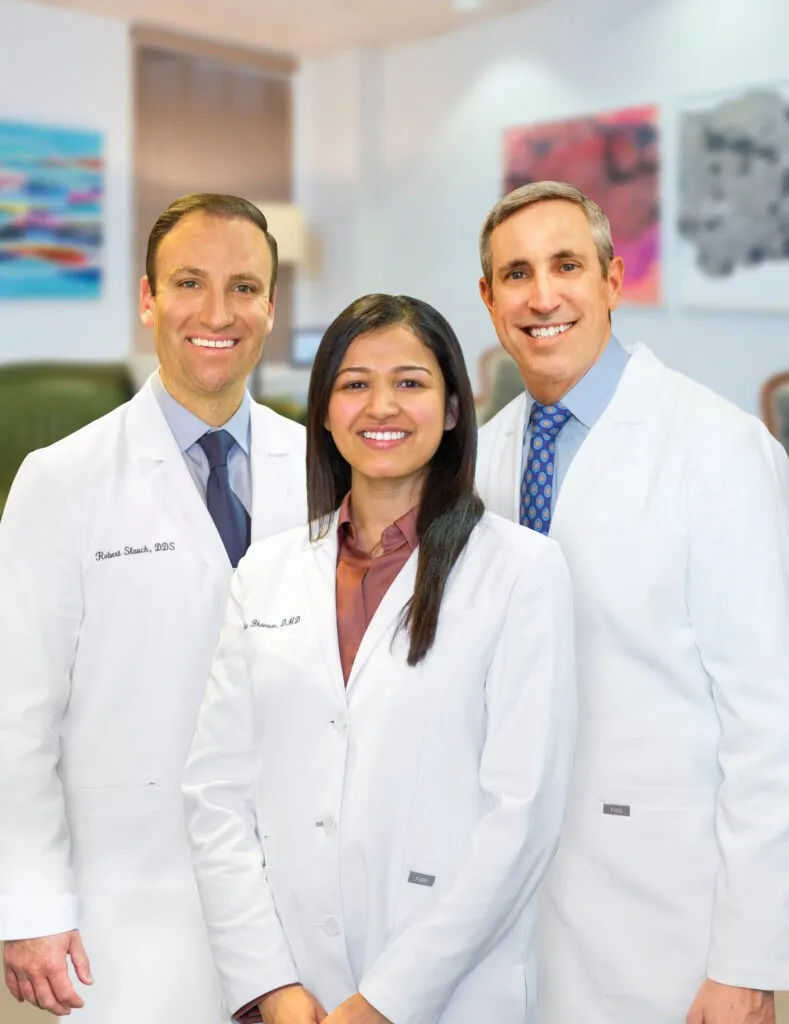
If you have been referred to a periodontist or told your gum disease has progressed beyond what a routine cleaning can treat, you are not alone. At Laudenbach Periodontics & Dental Implants, Dr. Jay Laudenbach and Dr. Ishita Bhavsar are periodontists who approach each patient’s situation with care, recommending surgery only when it is truly necessary and limiting it to the areas where it will make the most meaningful difference. You can learn more about their approach to periodontal therapy before your first visit.
What Is Osseous Surgery?
Osseous surgery is a surgical procedure designed to eliminate the deep pockets that form between the teeth and gums when periodontal disease has caused significant bone loss. These pockets create a space where bacteria thrive and continue to damage the surrounding bone, making it nearly impossible to clean effectively through non-surgical methods alone.
During the procedure, the gum tissue is gently folded back to give the periodontist direct access to the roots of the teeth and the bone below. Plaque, tartar, and infected tissue are carefully removed, and the bone is reshaped to eliminate the irregular surfaces where bacteria tend to collect. Once cleaned and contoured, the gum tissue is sutured back into place. The goal is to create a healthier environment around the tooth that patients can maintain at home and during regular follow-up appointments.
Who Needs Osseous Surgery?
Not every patient with gum disease will need osseous surgery. In many cases, earlier-stage disease responds well to non-surgical treatments like scaling and root planing. Osseous surgery is typically recommended when periodontal pockets remain deep after non-surgical therapy has been completed, or when bone loss is significant enough that reshaping is required to restore a maintainable tooth environment.
Signs that osseous surgery may be appropriate include the following:
- Periodontal pockets deeper than 5 millimeters that have not responded to scaling and root planing
- Visible bone loss on X-rays
- Persistent bleeding, swelling, or infection around specific teeth
- Teeth that feel loose due to weakened bone support
Every patient’s situation is different, which is why a thorough evaluation is always the first step before recommending any surgical treatment.
What to Expect During Recovery
Recovery from osseous surgery is manageable for most patients when they follow their post-operative instructions closely. Some tenderness and minor swelling in the treated area is normal in the days following the procedure. Soft foods, salt-water rinses, and prescribed medications help keep the area comfortable and support healing.
Most patients return to normal activity within a day or two, though it takes several weeks for the tissue to fully heal. Regular follow-up visits are important during this period to monitor healing and ensure the gums are responding well. Once healed, maintaining results through consistent periodontal maintenance appointments is essential to keeping the disease from returning.
How Osseous Surgery Fits Into a Broader Treatment Plan
Osseous surgery is rarely a standalone solution. For many patients, it works alongside other periodontal treatment methods to address the full scope of damage caused by gum disease. In some situations, guided bone and tissue regeneration may be performed in combination with osseous surgery to encourage the regrowth of lost bone and tissue around a tooth, giving it a stronger foundation for the long term.
The right combination of treatments depends on the severity of the disease, the specific teeth involved, and the patient’s overall health. A detailed consultation with a periodontist ensures the plan is built around your individual needs.
Contact Laudenbach Periodontics & Dental Implants
Dr. Jay Laudenbach is a board-certified Diplomate of the American Board of Periodontology with over 30 years of experience treating gum disease at every stage. Dr. Ishita Bhavsar is a periodontist who is board-eligible for the ABP and trained in Fotona laser therapy, bringing additional options to patients who may benefit from a laser-assisted approach. Together, they are committed to conservative care, recommending surgical treatment only when it will produce results that non-surgical methods simply cannot achieve.
If you have been told you may need osseous surgery or are experiencing symptoms of advanced gum disease, reaching out sooner rather than later makes a real difference. Contact our team through our contact form to schedule a consultation and take the first step toward healthier gums.