Gum recession is one of those dental problems that tends to sneak up on people. The gums pull back gradually, exposing more of the tooth root, and many patients do not realize how much recession has occurred until sensitivity, aesthetic changes, or a dentist’s concern prompts a closer look. Left unaddressed, recession can progress to the point where the tooth’s protective tissue is lost entirely, increasing the risk for infection, root decay, and eventual tooth loss.
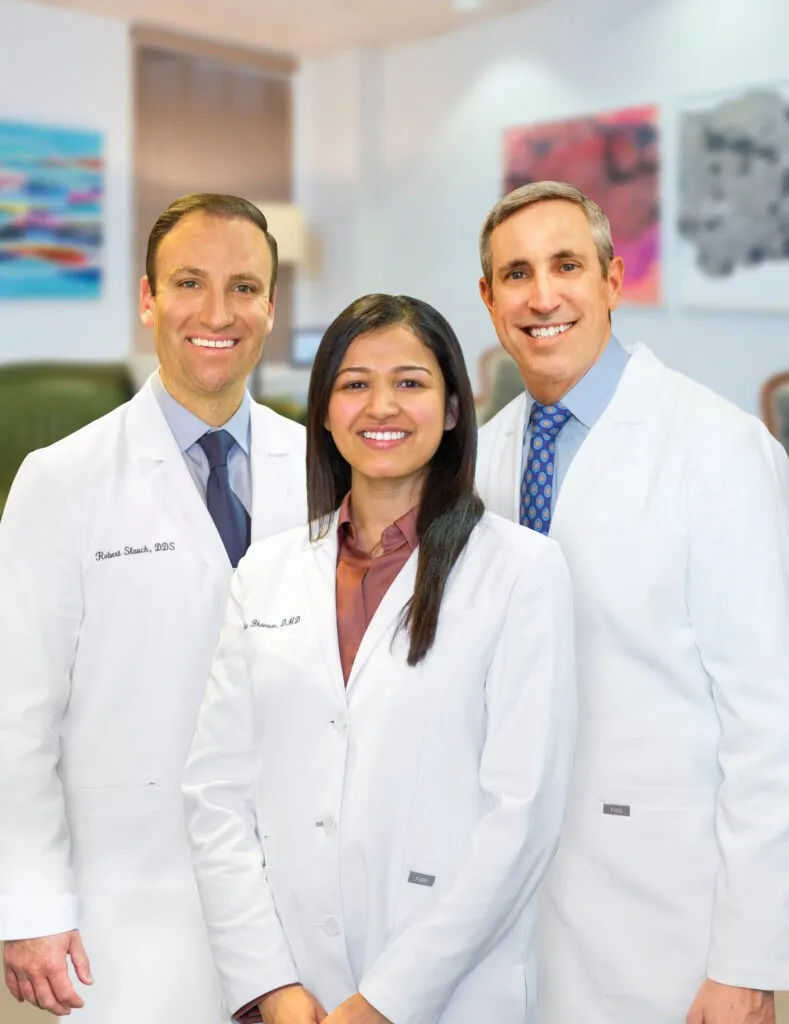
The good news is there are reliable treatment options available, and the right approach depends on how far the recession has progressed. At Laudenbach Periodontics & Dental Implants, Dr. Jay Laudenbach and Dr. Ishita Bhavsar evaluate each patient’s level of gum recession carefully before recommending treatment, always starting with the most conservative option appropriate for the situation. Understanding what those options are can help you feel prepared for that conversation.
What Causes Gum Recession?
Gum recession does not happen for a single reason, it is typically the result of one or more contributing factors over time. Aggressive brushing habits are among the most common causes, as repeated trauma to the gum tissue gradually wears it down. Periodontal disease is another leading cause, with bacterial infection destroying the tissue and bone that support the gums. Other factors that can contribute include the following:
- Thin gum tissue or a naturally low gum line that offers less protection
- Teeth that are positioned outside the normal arch, which reduces the amount of covering tissue
- Grinding or clenching habits that place excess force on the teeth and surrounding structures
- Tobacco use, which restricts blood flow and slows the tissue’s ability to maintain itself
Identifying the underlying cause is an important part of treatment planning. Addressing the source of recession helps protect the results of any procedure and keeps the condition from returning.
When Is Treatment Necessary?
Not every case of gum recession requires surgery. When recession is minor and healthy gum tissue still surrounds the tooth, adjusting home care habits, such as switching to a softer brush and a gentler technique, may be enough to stop the progression. According to the National Institute of Dental and Craniofacial Research, periodontal disease remains a significant public health concern, with roughly 2 in 5 adults over 30 affected by some form of the condition. When recession has reached the point where the mucosa is exposed, however, the natural barrier against bacterial penetration is compromised, and intervention becomes necessary.
The decision to treat is based on the depth of the recession, how much protective tissue remains, the patient’s symptoms, and the health of the surrounding teeth and bone.
Gum Grafting: The Gold Standard for Moderate to Advanced Recession
For cases where recession has progressed beyond what observation alone can address, gum grafting is the most well-established treatment. The procedure involves taking soft tissue, either from the roof of the patient’s mouth or from donor tissue, and placing it over the area of recession to restore coverage and rebuild the protective tissue band around the tooth.
Gum grafting reduces root sensitivity, improves the appearance of the gum line, and creates a more stable environment that is easier to maintain with consistent home care. The results are long-lasting when the original cause of recession has been properly addressed and the patient keeps up with routine periodontal maintenance visits.
Laser-Assisted Options for Gum Recession
For some patients, laser therapy offers a less invasive path to treating gum-related concerns. Dr. Laudenbach and Dr. Bhavsar are both trained in Fotona laser therapy, which allows for precise, minimally invasive treatment of gum tissue. Laser periodontal therapy can be used to address the bacterial environment contributing to recession, reduce excess or uneven tissue, and support healthier gum attachment. For certain presentations, laser treatment may be used alongside grafting or as a preparatory step before other procedures.
What to Expect After Treatment
Recovery after gum recession treatment varies depending on the procedure performed. After grafting, patients typically follow a soft-food diet for a period of time, avoid vigorous brushing near the treated area, and attend scheduled follow-up visits to monitor healing. Most patients return to their normal routines within a few days, with full tissue healing occurring over several weeks.
Long-term success depends heavily on what comes after the procedure. Consistent maintenance appointments, improved brushing technique, and addressing any contributing habits are all part of protecting the investment in your gum health.
Contact Laudenbach Periodontics & Dental Implants
Dr. Jay Laudenbach is a board-certified Diplomate of the American Board of Periodontology with more than 30 years of experience helping patients restore and maintain healthy gum tissue. Dr. Ishita Bhavsar is a periodontist who is board-eligible for the American Board of Periodontology and trained in Fotona laser therapy, bringing an additional layer of treatment options to patients with varying levels of recession. Together, they serve patients across the greater Philadelphia area with a focus on conservative, patient-centered care.
If you have noticed your gums pulling back, increased tooth sensitivity, or changes in the appearance of your smile, reaching out sooner gives you more options for treatment. Contact our team through our contact form to schedule a consultation and take the first step toward healthier, more protected gums.
Frequently Asked Questions About Gum Recession Treatment
How do I know if my gum recession needs treatment?
A periodontist evaluates the depth of recession, the amount of remaining protective tissue, and any symptoms like sensitivity or root exposure. Minor recession may only need improved home care, while more advanced cases typically call for grafting or laser therapy.
Is gum grafting painful?
Most patients manage post-procedure discomfort well with the guidance their periodontal team provides. Discomfort is generally most noticeable in the first few days and improves steadily during healing.
Are there minimally invasive alternatives to traditional gum grafting?
Some periodontists offer suture-free, minimally invasive techniques such as the Pinhole Surgical Technique in addition to laser-assisted approaches. Whether a less invasive option is appropriate depends on the extent of recession, so it is best discussed directly with your periodontist.
How long do the results of gum recession treatment last?
Results are generally long-lasting when the underlying cause of recession, such as brushing technique or periodontal disease, is properly addressed and patients keep up with routine periodontal maintenance visits.
Will my dental insurance cover gum recession treatment?
Coverage varies by plan and by whether the treatment is considered medically necessary. Our team can help you understand your benefits and discuss options during your consultation.